TL;DR:
- Southampton’s older combined sewer system often overflows during heavy rain, causing drainage issues.
- Recognizing system type is crucial to choosing the right repair approach and avoiding unnecessary costs.
- Long-term solutions include system separation, underground storage, and green infrastructure to prevent overflows.
Many Southampton homeowners assume that recurring water backups or garden flooding must mean a blocked pipe on their property. Often, the real cause is something far bigger. A combined drain carries both foul wastewater and surface water in the same pipe network, meaning a single heavy downpour can push an entire system to its limits. Understanding whether your property connects to a combined system changes everything about how you respond to drainage problems. This guide covers what combined drains are, why Southampton’s older infrastructure makes them particularly relevant, and how to tell a system overflow apart from a straightforward local blockage.
Table of Contents
- Understanding combined drains: Key features and history
- How combined drains affect drainage issues and overflows
- Diagnosing problems in properties with combined drains
- Best practices for maintenance and long-term solutions
- Our perspective: Why focusing on system causes saves time and money
- Need expert help with combined drain issues?
- Frequently asked questions
Key Takeaways
| Point | Details |
|---|---|
| Combined drain definition | Combined drains carry both household wastewater and rainwater through the same pipes. |
| Overflow problems | System-wide surges in wet weather can mimic blockages but are caused by combined sewer overflows. |
| Diagnosis matters | Correctly distinguishing between local faults and system overflows avoids wasted time and repeat costs. |
| Go beyond quick fixes | Proper combined drain maintenance and long-term upgrades offer the best protection for properties in Southampton. |
Understanding combined drains: Key features and history
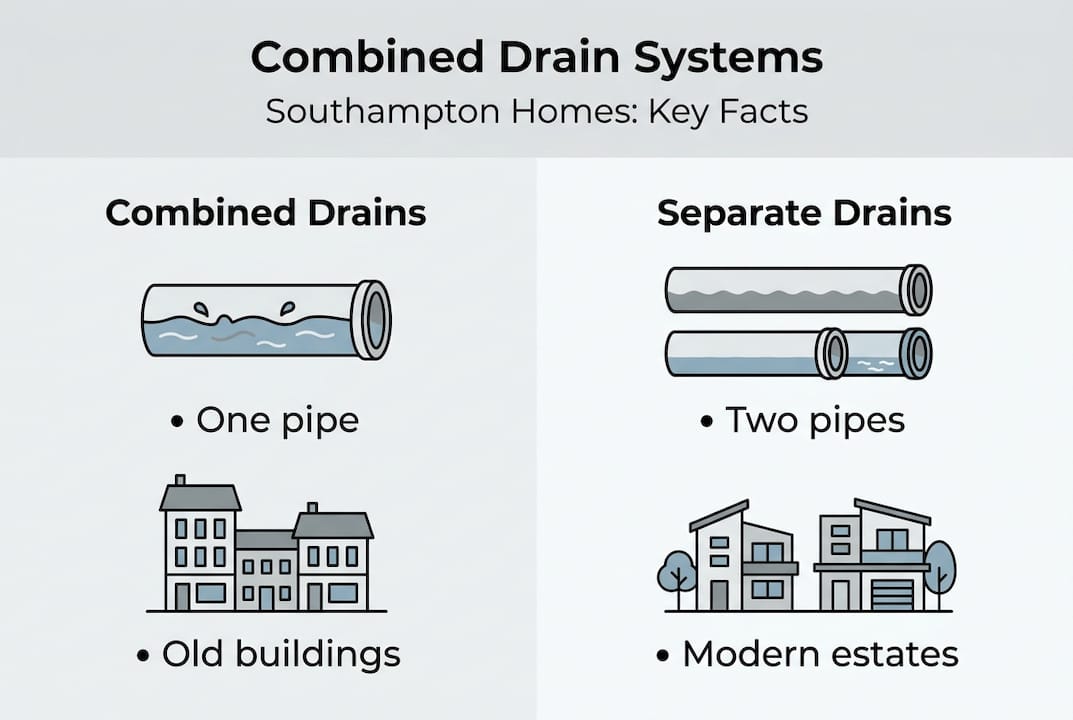
A combined drain is exactly what the name suggests. Rather than routing foul wastewater (from toilets, sinks, and appliances) and surface water (from roofs, driveways, and yards) through separate pipe runs, a combined system merges both flows into a single network. Combined sewers carry wastewater and stormwater in the same pipes, going to treatment plants in dry weather, and risk overflow in wet weather.
In dry conditions, the system works reasonably well. Everything flows together towards the treatment works, gets processed, and is discharged safely. The trouble begins when rainfall arrives. Stormwater floods the network rapidly, adding enormous volume to the foul flow already travelling through the pipes. Older systems were never engineered for the scale of modern water usage or today’s extreme weather events.
Southampton’s drainage heritage reflects this challenge directly. Much of the city’s underground network was built during the Victorian era, when combined systems were the standard approach. Engineers at the time prioritised getting waste away from streets quickly rather than separating flows for environmental reasons. The result is a patchwork of ageing infrastructure beneath the city, some of it more than 150 years old. Understanding Southampton drainage infrastructure helps explain why modern drainage problems here are so often linked to system-wide capacity rather than a single blocked outlet.
The key distinction between combined and separate systems comes down to what each pipe carries:
- Combined systems: One pipe for both foul and surface water, merging flows from the outset
- Separate systems: Dedicated foul drains for wastewater, independent surface water drains for rainwater
- Partially separate systems: A hybrid common in transition zones, where some surface water still enters foul pipes
| Feature | Combined system | Separate system |
|---|---|---|
| Pipes required | One shared network | Two distinct networks |
| Wet weather risk | Overflow risk increases sharply | Surface water managed independently |
| Common in | Older urban areas (pre-1960s) | Newer developments |
| Treatment needed | All flows treated together | Foul water only goes to treatment |
| Upgrade complexity | High | Lower for new builds |
For Southampton property managers overseeing older buildings or commercial premises, recognising a combined system early means planning maintenance and budgets far more realistically.
How combined drains affect drainage issues and overflows
Once you understand the structure, the behaviour during bad weather makes much more sense. When heavy rain hits Southampton, surface water rushes into the combined network at a pace the pipes were never sized to handle. The result is a surge in flow volume that pushes the system well beyond its normal operating capacity.
This is where combined sewer overflows (CSOs) become relevant. CSOs are relief points that discharge dilute sewage to reduce flooding risk during heavy rain. They are deliberately engineered into combined systems as a pressure release valve. Without them, the alternative would be raw sewage backing up through household gullies and street drains on a much wider scale.
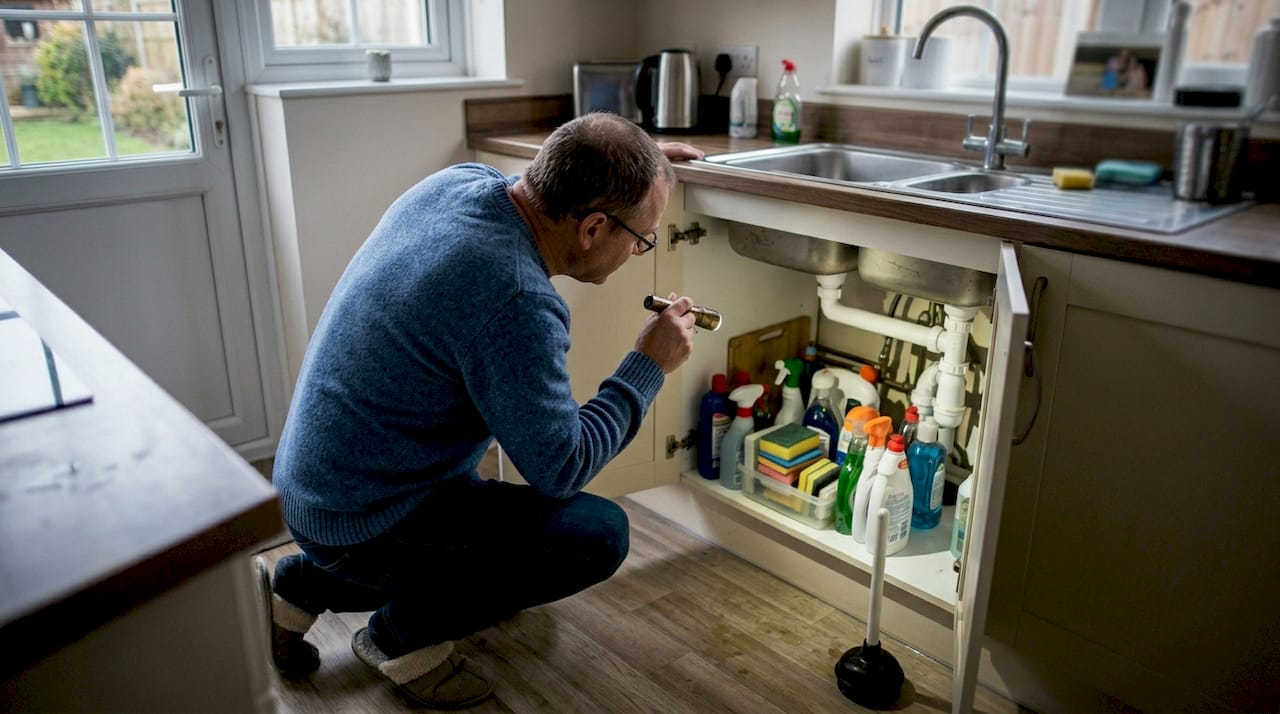
The confusion for homeowners is completely understandable. When your toilet gurgles, your shower drains slowly, or water appears in your garden, it feels like a problem in your pipes. Sometimes it is. But if every neighbour on your street is experiencing the same thing at the same moment during a rainstorm, the issue almost certainly lies in the shared combined system rather than your private drain.
“Overflow events are not necessarily a sign the system is faulty; they are an intentional design feature to prevent urban flooding during periods of heavy rainfall.”
Knowing the difference matters enormously because the fix is completely different. Calling a drainage company to jet-clean a pipe that isn’t actually blocked wastes money and solves nothing. The common blocked drain causes such as grease buildup, root ingress, or collapsed sections produce very different symptom patterns compared to a CSO event.
| Symptom | Likely cause |
|---|---|
| Slow draining in one fixture only | Local blockage probable |
| Multiple properties affected simultaneously | System-wide overflow likely |
| Problems only during or after heavy rain | Combined drain capacity issue |
| Persistent smell with no rain event | Localised blockage or pipe fault |
| Gurgling across all drains at once | Network surcharge |
Recognising signs of blocked drains is the starting point, but knowing what those signs actually indicate requires understanding which type of system you are connected to. Drainage professionals can usually tell within minutes of inspecting your setup, saving you from expensive guesswork.
Diagnosing problems in properties with combined drains
So how do you actually work out whether you are dealing with a system issue or something specific to your property? There is a clear sequence worth following before calling anyone out.
- Check your drainage plan. Your deeds or local authority records often indicate whether your property connects to a combined or separate system. Southern Water can also confirm this for Southampton addresses.
- Note the timing. Does the problem occur during or shortly after rainfall? If yes, and it resolves once the rain stops, a combined system capacity issue is very likely.
- Ask your neighbours. If two or three adjacent properties report the same problem at the same time, the issue is almost certainly in the shared network rather than in your private pipework.
- Inspect your gullies. External gullies (the ground-level drain covers in your yard or driveway) often show the first signs of surcharging in a combined system. Standing water around them during rain is a strong indicator.
- Rule out a local fault first. If the problem persists outside of rain events, investigate potential blocked drains solutions Southampton before assuming a system-wide cause.
For property managers overseeing multiple units or commercial sites, the pattern becomes even clearer. Recurring complaints from several tenants during the same weather events, combined drains visible on site surveys, and a history of rapid-return blockages all point toward a system-level problem rather than individual pipe failures.
Pro Tip: Keep a simple log of every drainage incident, noting the date, weather conditions, and which drains or fixtures are affected. After three or four events, a pattern almost always emerges that helps drainage engineers diagnose the root cause far faster.
Wet-weather overflow symptoms in a combined system may be driven by overloading rather than any pipe blockage, which means even the most thorough unblocking job will not prevent the next occurrence. Strong drain prevention tips help on the margins, but they cannot address a fundamental capacity shortfall in the shared network.
Best practices for maintenance and long-term solutions
If your property sits on a combined system, standard reactive unblocking is rarely enough. Maintenance needs to be more deliberate, and long-term planning matters far more than it would for a modern separate system.
For immediate and ongoing maintenance, focus on:
- Regular gully clearing. External gullies connected to combined systems collect debris rapidly. Clearing them every six months prevents solids from entering the shared network and reducing capacity further.
- Grease trap management. Commercial premises especially benefit from interceptors that prevent fats and oils from reaching the combined network, where they contribute to fatbergs.
- Annual CCTV surveys. A camera inspection of private drain runs gives an early view of root ingress, cracks, or partial collapses before they escalate.
- Avoid connecting new surface water sources. Adding a new paved area or roof extension that drains into an already-stressed combined system accelerates overflow frequency.
Pro Tip: If you manage a commercial site in Southampton with a history of wet-weather drainage failures, ask your drainage specialist to map which of your private drains connect to the combined network versus any separate surface water outlets. The answer often surprises property managers and opens up targeted solutions.
Long-term solutions for CSO issues focus on system-wide controls rather than repeated local unblocking. On a private scale, that might mean installing permeable paving to reduce surface water entering the combined network, adding underground storage to buffer peak flows, or commissioning a feasibility study for partial separation of foul and surface water drainage.
Larger commercial sites sometimes work with drainage engineers on green infrastructure options such as rain gardens or swales, which slow surface water runoff before it reaches the combined system. These approaches do require upfront investment, but they typically outperform the cumulative cost of repeated emergency call-outs. Engaging professional drain services for an assessment is the right first step toward understanding which options are viable for your site. Properties with listed status or unusual foundations may face specific constraints, explored further in guidance around drainage issues in historic properties.
Our perspective: Why focusing on system causes saves time and money
In our experience working across Southampton, the most expensive drainage problems are rarely the dramatic ones. They are the quiet, recurring ones that property owners keep patching without ever resolving. A landlord who books a jet-clean every three months because tenants report slow drains after every heavy rain is spending real money on a problem that a single, thorough system assessment could explain and address properly.
The uncomfortable truth is that repeated local unblocking on a combined system is often the drainage equivalent of mopping the floor while the tap is still running. It manages the symptom without touching the cause. Modern solutions, whether separation works, storage upgrades, or green infrastructure, require more planning and upfront cost, but they stop the cycle entirely.
For those managing older Southampton properties, understanding commercial best practices around combined drain management is not optional; it is essential for protecting asset value and avoiding liability. Investing in one good diagnostic survey almost always costs less than six months of reactive call-outs.
Need expert help with combined drain issues?
If you recognise any of the patterns described in this guide, the smartest next step is a professional assessment rather than another reactive fix.
Our team specialises in diagnosing and resolving combined drain issues across Southampton and the surrounding areas. Whether you need an urgent response to an overflow event or a longer-term plan to reduce recurring wet-weather problems, we can help. From our drain services including CCTV surveys and system mapping, to detailed drain surveys in Southampton that identify whether your issue is local or network-wide, we give you clear answers and practical options. Get in touch today for an honest assessment from people who know Southampton’s drainage network inside out.
Frequently asked questions
How can I tell if I have a combined drain?
Check whether your property drains both surface water (roof, yard) and wastewater into the same outlet. In a combined system, wastewater and stormwater flow through the same pipes, and your local authority or a drainage surveyor can confirm which system serves your address.
Why do blockages keep happening after heavy rain?
After heavy rain, combined drains can become overloaded and overflow, causing symptoms that resemble repeated blockages. Overflow events are not necessarily a sign the system is faulty; they are often a capacity issue within the shared network, not a fault in your individual pipes.
Are combined drains legal or being phased out?
Combined sewers are common in older UK cities, including much of Southampton, but newer developments are required to use separate sewer systems. Upgrades or additional controls are sometimes required in specific locations, particularly where overflow frequency is high.
What long-term solutions exist for properties with combined drains?
Options include adding underground storage to buffer peak flows, separation works to split foul and surface water drainage, or green infrastructure such as permeable paving and rain gardens. CSO-related problems are best addressed with a combination of storage, separation, or sustainable drainage strategies rather than repeated local fixes.