TL;DR:
- A drain survey uses CCTV technology to inspect underground pipes for hidden issues.
- Early detection through surveys helps prevent costly drain failures and emergency repairs.
- Detailed reports guide homeowners on repairs and support insurance claims effectively.
Many Southampton homeowners only think about their drains when something goes wrong. A slow-draining sink, a foul smell from the garden, or a sudden backup in the bathroom tends to be the trigger. But by that point, the damage is often already underway. A professional drain survey gives you a clear picture of what is happening beneath your property before problems escalate, saving you time, money, and considerable stress. This article explains what a drain survey involves, how the process works, what your report will contain, and exactly what to do with the results once you have them.
Table of Contents
- What is a drain survey and why does it matter?
- How a professional drain survey works
- Inside your drain survey report: What to expect
- Applying your survey results: What to do next
- Our perspective: Why proactive surveys are the unsung hero for property health
- Get expert drain survey support in Southampton
- Frequently asked questions
Key Takeaways
| Point | Details |
|---|---|
| Early detection saves costs | Drain surveys reveal hidden problems so you can avoid expensive emergencies. |
| Reports explain everything | Visual evidence and repair grades make survey results clear for any homeowner. |
| Proactive checks protect value | Routine drain surveys keep your property safe and insurers satisfied. |
| Simple, non-intrusive process | A professional survey uses camera technology without causing disruption at home. |
What is a drain survey and why does it matter?
A drain survey is not simply a plumber poking around with a torch. It is a systematic inspection of your underground pipework using specialist camera technology. As CCTV cameras inspect underground pipes, identifying blockages, leaks, and structural issues that are completely invisible from the surface, the engineer builds a detailed picture of your drainage system’s condition.
For Southampton homeowners, this matters more than many realise. The city’s drainage infrastructure includes Victorian-era pipework, clay pipes prone to root ingress, and systems affected by the area’s coastal ground conditions. Problems can develop slowly and silently for months before they become an emergency.
There are several key situations where a drain survey is not just useful but essential:
- Buying a property: Surveys reveal hidden defects before you complete a purchase, giving you negotiating power or the chance to walk away.
- Recurrent blockages: If your drains keep blocking despite repeated clearing, a survey identifies the underlying cause rather than just treating the symptom.
- Slow drainage: Persistent slow flow often signals a partial collapse, displaced joint, or significant build-up further along the pipe.
- Before renovations: Any extension or groundwork near drainage runs should be preceded by a survey to avoid accidental damage.
- After tree removal: Tree roots do not disappear when the tree does. They can remain in pipework long after the stump is gone.
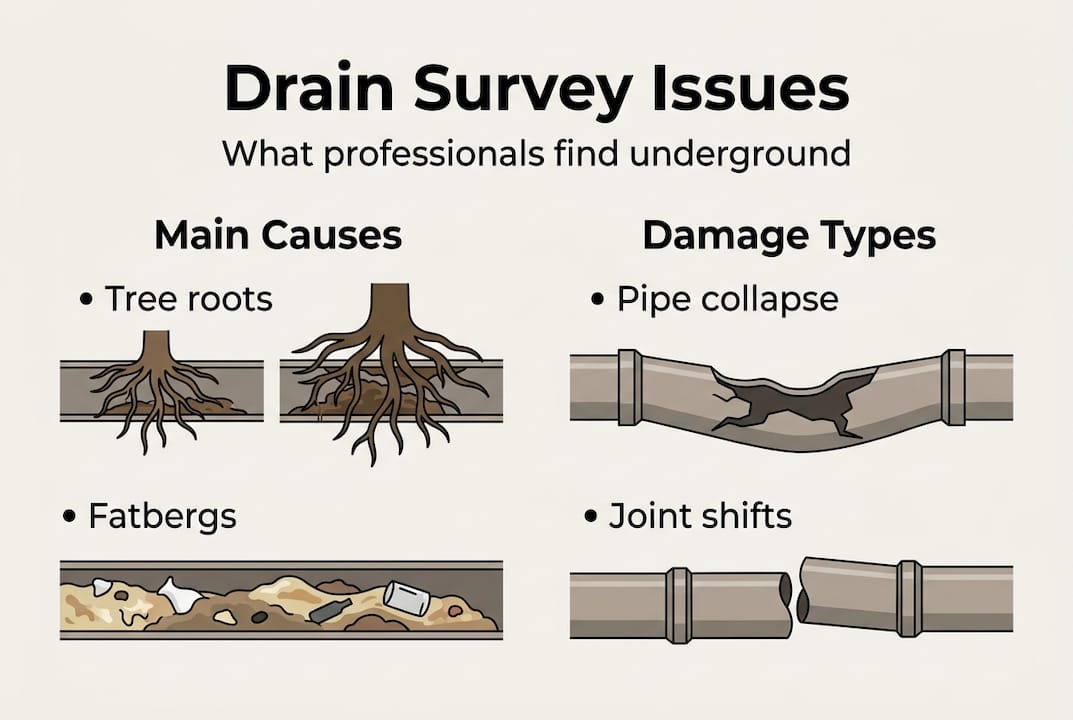
Surveys commonly reveal tree root ingress, pipe collapses, fatbergs (large solidified masses of fat and debris), joint displacements, and cracked or corroded sections. Catching these early is far cheaper than dealing with a collapsed drain or flooded property.
Pro Tip: Investing in preventive drain surveys can prevent up to 78% of drainage emergencies, according to industry data. Do not wait for a crisis to act.
How a professional drain survey works
Knowing what happens during a survey removes the uncertainty and helps you prepare. The process is more straightforward than most people expect, and it rarely causes any disruption to your daily routine.
Here is what a typical professional survey involves, step by step:
- Initial assessment: The engineer reviews the property layout, identifies access points such as manholes and inspection chambers, and discusses any symptoms you have noticed.
- Access point preparation: The relevant entry point is opened and the camera equipment is set up. No digging or excavation is required at this stage.
- CCTV camera insertion: A remote-controlled camera is fed through the pipework. Modern cameras are flexible enough to navigate bends and junctions.
- Live footage analysis: The engineer watches the footage in real time on a monitor, pausing to examine areas of concern and recording the footage throughout.
- Defect identification and coding: Any issues found are logged using a standardised coding system that grades severity. This ensures the report is consistent and comparable.
- Post-survey debrief: A good engineer will walk you through the key findings before leaving, translating technical language into plain English.
“Professional surveys create digital reports with video footage and recommendations, giving property owners a clear, evidenced record of their drainage condition.”
The full drain survey process typically takes one to two hours for a standard residential property. If the survey uncovers a serious issue requiring immediate attention, you can move straight to emergency drain response without delay.
Pro Tip: Always request a copy of the raw video footage alongside your written report. If you ever need a second opinion or make an insurance claim, that footage is invaluable evidence.
Inside your drain survey report: What to expect
The report is where the real value of your survey lives. Understanding its structure means you can act on it confidently rather than filing it away and hoping for the best.
A thorough drain survey report typically contains the following sections:
- Overview: A summary of the property, the date of inspection, and the pipes surveyed.
- Condition summary: A plain-English overview of the drainage system’s general health.
- Defect listing: Each issue found is listed with a grade from 1 (minor) to 5 (critical), its location within the system, and a description.
- Photo and video section: Still images and timestamped video clips showing each defect clearly.
- Pipe map or diagram: A schematic showing the layout of your drainage system and where defects are located.
- Recommendations: Suggested repairs or further investigations, prioritised by urgency.
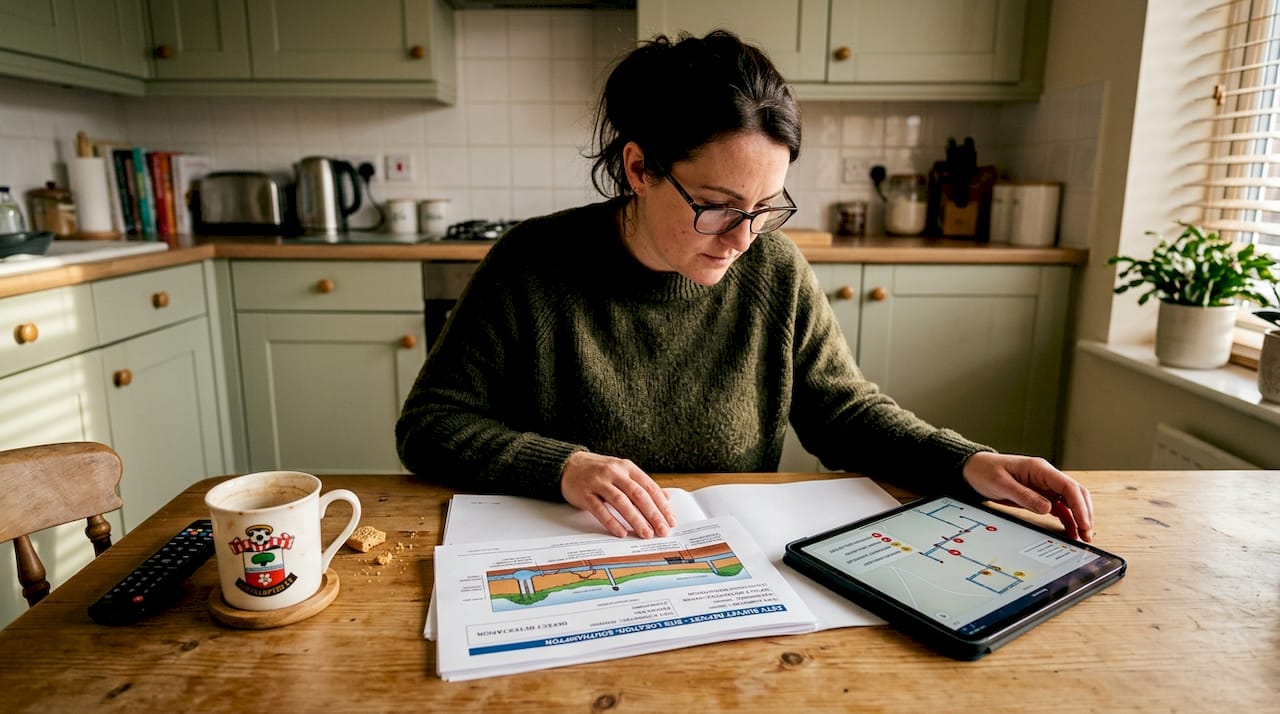
As reports typically include video, photos, defect grades, maps, and repair recommendations, they are also suitable for insurance submissions, which is a significant practical benefit many homeowners overlook.
Here is a quick comparison of what basic and advanced reports tend to include:
| Feature | Basic report | Advanced report |
|---|---|---|
| Written defect summary | Yes | Yes |
| Defect grading (1-5) | Yes | Yes |
| Still photographs | Limited | Comprehensive |
| Full video footage | Sometimes | Always |
| Pipe map/diagram | Basic | Detailed |
| Repair recommendations | General | Prioritised and costed |
| Insurance-ready format | Rarely | Yes |
When reviewing your report, pay particular attention to the defect grades and the recommendations section. These two elements tell you what needs fixing and how urgently. A local drainage expert reporting service will ensure the recommendations are relevant to Southampton’s specific infrastructure conditions, not just generic advice.
Pro Tip: If any section of the report uses terminology you do not recognise, ask your engineer to clarify before they leave. Understanding your drainage system fully means you can make smarter decisions about repairs.
Applying your survey results: What to do next
Receiving the report is not the end of the process. It is the starting point for action. Here is how to move forward effectively once you have your results in hand.
- Read the condition summary first: This gives you the big picture before you get into the detail of individual defects.
- Prioritise by defect grade: Focus on grades 4 and 5 immediately. Grades 1 and 2 can often be monitored or addressed during routine maintenance.
- Obtain quotes for recommended works: Get at least two quotes for any significant repairs, and make sure contractors have seen the survey report before pricing the job.
- Share with your insurer if relevant: If the survey reveals issues linked to subsidence, flooding, or structural damage, your insurer needs to know.
- Plan follow-up surveys: If you have just bought a property or completed major repairs, schedule a follow-up survey within 12 to 18 months to confirm everything remains in good condition.
Here is a practical guide to defect grades and appropriate responses:
| Defect grade | Description | Recommended action | Urgency |
|---|---|---|---|
| Grade 1 | Minor surface defect | Monitor at next survey | Low |
| Grade 2 | Minor structural issue | Plan repair within 12 months | Low to medium |
| Grade 3 | Moderate defect | Repair within 3-6 months | Medium |
| Grade 4 | Significant damage | Repair within weeks | High |
| Grade 5 | Critical failure | Immediate action required | Urgent |
As survey reports include clear repair recommendations tailored to defect grades, and digital versions can be sent directly to insurers, keeping your report in a safe, accessible location is essential. Explore common drainage solutions to understand what repair options are available for the issues your survey identifies.
Pro Tip: Send your digital survey report to your home insurer proactively. It demonstrates due diligence and can significantly streamline any future claims process.
Our perspective: Why proactive surveys are the unsung hero for property health
Here is something most drainage guides will not tell you: the majority of serious drain failures we attend in Southampton were entirely predictable. The evidence was there months, sometimes years, before the collapse or the flood. The problem was simply that nobody had looked.
Most property owners treat drain surveys the way people treat dental check-ups. They avoid them until something hurts. But the analogy actually proves the point. Catching a small cavity early costs a fraction of a root canal. The same logic applies to a cracked pipe versus a collapsed sewer.
Preventing emergencies through surveys is not just about saving money, though it certainly does that. It is about staying in control of your property. When you have a current survey report, you know exactly what condition your drains are in. You can budget for repairs sensibly, demonstrate responsible maintenance to insurers, and avoid the panic of an unexpected emergency.
Digital reporting has made this easier than ever. Video evidence, defect maps, and graded recommendations put the power of informed decision-making directly in your hands. That is a genuinely underused advantage for Southampton homeowners.
Get expert drain survey support in Southampton
Now that you understand the full value of a drain survey, the logical next step is acting on that knowledge with professionals who know Southampton’s drainage landscape inside out.
At Blocked Drains Southampton, we provide thorough CCTV drain surveys with detailed digital reports, plain-English debriefs, and clear repair recommendations tailored to your property. Whether you want to book a drain survey as a precaution, following a purchase, or because you have noticed warning signs, our team responds quickly and works transparently. Discover how survey cost savings add up over time, and get in touch today to arrange your inspection.
Frequently asked questions
How long does a typical drain survey take?
A standard domestic drain survey usually takes one to two hours, depending on the size of your property and the complexity of the drainage layout.
Can a drain survey identify the exact cause of my drainage problem?
Yes. Modern CCTV cameras trace the root cause of blockages and damage with video evidence, pinpointing issues such as root ingress, structural collapse, and displaced joints.
Is a drain survey disruptive to my home?
Drain surveys are non-invasive and cause minimal disruption, as the camera is inserted through existing access points such as manholes rather than requiring any excavation.
Can I use my survey report for insurance claims?
Yes. Drain survey reports include digital evidence suitable for insurers and are accepted by most providers for claims relating to subsidence, leaks, and drainage failures.