TL;DR:
- Recognizing early signs like slow drainage and bad odors helps prevent major drain failures.
- Regular maintenance, inspections, and professional upgrades ensure a reliable drainage system.
- Proactive prevention, including CCTV surveys and modern solutions, reduces costly emergencies.
Blocked drains have a way of arriving at the worst possible moment. One morning the kitchen sink is sluggish, and by evening you are dealing with standing water and unpleasant smells throughout the house. Southampton homeowners face this more often than most, largely because of older pipework, heavy seasonal rainfall, and mature trees whose roots seek out every weakness in underground pipes. Quick fixes with a plunger or a bottle of chemical cleaner rarely address the root cause. This guide walks you through a practical, step-by-step approach to optimising your home drainage system so that blockages become the exception rather than the rule.
Table of Contents
- Recognising drainage problems and their causes
- Preparing to optimise your drainage: Tools, checks, and essentials
- Step-by-step process: How to optimise your home drainage
- Aftercare, monitoring, and long-term maintenance
- A fresh perspective on drainage: Prevention, not just cure
- Take the next step: Expert drainage services for peace of mind
- Frequently asked questions
Key Takeaways
| Point | Details |
|---|---|
| Early detection matters | Spotting warning signs quickly can prevent costly drainage repairs. |
| Preparation is essential | Having the right tools and checks reduces risks before you begin any drainage task. |
| Stepwise improvement works | Systematic upgrades and professional support optimise drainage and reduce future blockages. |
| Maintenance saves money | Routine aftercare significantly cuts the risk of drainage emergencies. |
| Prevention beats cure | Investing in modern solutions and preventive surveys delivers lasting protection for Southampton homes. |
Recognising drainage problems and their causes
Spotting trouble early is far cheaper than dealing with a full-blown blockage or a collapsed pipe. Most drainage problems give you clear warning signs well before they become emergencies, and learning to read those signs puts you firmly in control.
Common symptoms to watch for:
- Water draining slowly from sinks, baths, or showers
- Gurgling sounds from plug holes or toilets after flushing
- Persistent unpleasant odours rising from drains
- Recurring blockages that return within weeks of clearing
- Damp patches or sunken ground near buried drain runs
- Sewage smell in the garden, particularly after heavy rain
As drainage infrastructure problems in Southampton demonstrate, frequent blockages and slow-draining water are common due to ageing infrastructure and local weather patterns. Many Southampton streets still rely on Victorian-era clay pipes that crack, offset, and collect grease over decades. Add the city’s high annual rainfall and you have conditions where even a partial restriction in a pipe quickly escalates.
Tree roots are another significant factor. Oak, willow, and plane trees planted in older residential streets send fine root tendrils through the smallest hairline cracks, creating blockages that grow back rapidly if not treated properly. Exploring top drainage solutions designed for local conditions can help you understand what remediation actually involves.
When should you call a professional immediately? If you notice sewage backing up into the house, multiple drains failing simultaneously, or wet ground above buried pipes, do not wait. These are signs of a serious structural or blockage issue that needs urgent assessment.
The most frequent blockage causes in Southampton homes include accumulated grease and food debris in kitchen drains, hair and soap scum in bathroom pipework, wet wipes and sanitary products flushed into toilets, root infiltration into older clay pipes, and collapsed or displaced joints in ageing drainage runs. Understanding which category your problem falls into shapes every decision that follows.
Preparing to optimise your drainage: Tools, checks, and essentials
Once you have recognised a drainage problem, proper preparation is key before taking action. Rushing in without the right tools or information often makes things worse and can create safety hazards.
Basic drain inspection checklist:
- Locate all drain inspection chambers (manholes) around your property
- Check each chamber for standing water, debris, or odour
- Observe drain covers for cracks, displacement, or root infiltration
- Note which fixtures drain slowly and whether the issue is localised or widespread
- Check gutters and downpipes for blockages, especially after autumn leaf fall
Using the right tools and conducting regular checks can reduce blockage risk significantly. The table below summarises what you are likely to need:
| Tool or item | Purpose | DIY or professional |
|---|---|---|
| Drain rods | Manually clear soft blockages | DIY |
| Plunger | Dislodge shallow obstructions | DIY |
| High-pressure jetter | Clear stubborn grease and debris | Professional |
| CCTV survey camera | Inspect pipes internally | Professional |
| Root cutter attachment | Remove root infiltration | Professional |
| Non-return valve kit | Prevent backflow | DIY or professional |
| Drain cleaning enzyme tablets | Monthly biological maintenance | DIY |
Knowing where DIY ends and professional help begins saves you time and avoids damaging pipework. If drain rods meet firm resistance or if the blockage returns within a week or two of clearing, that is a clear indicator to bring in professional drain cleaning expertise.
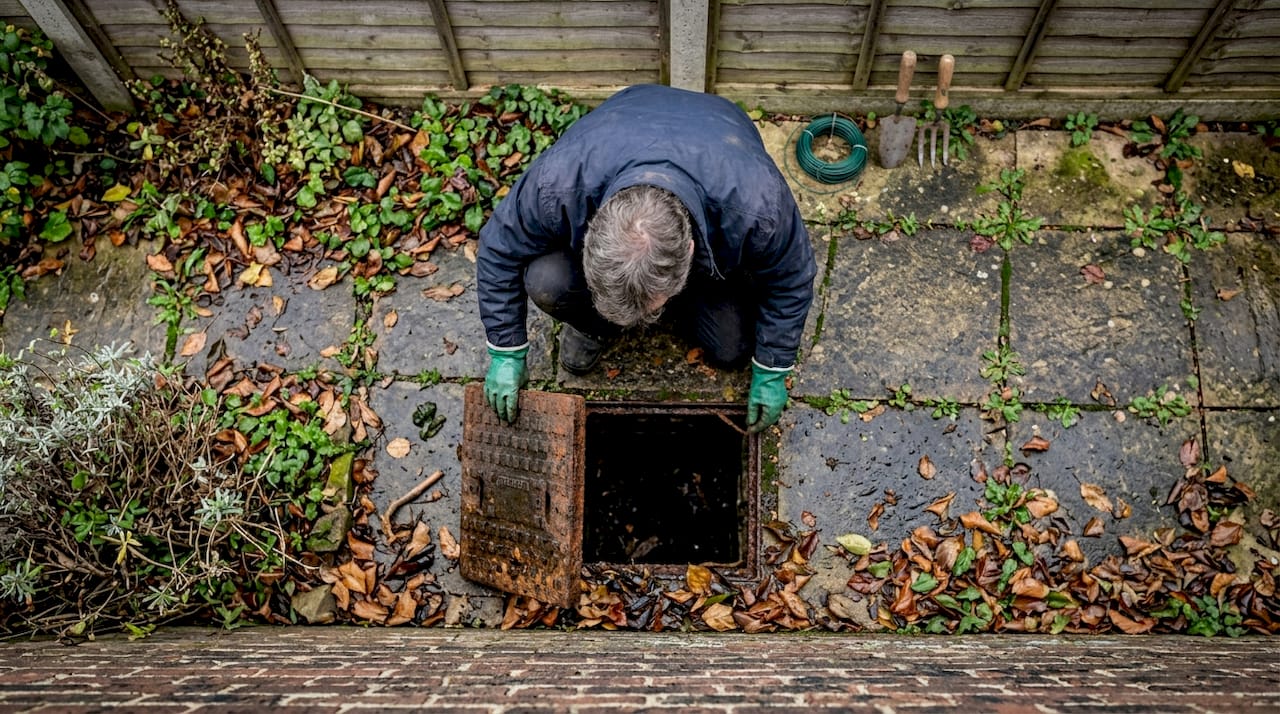
Safety matters before you start. Always wear protective gloves and eye protection when working near open drain chambers. Avoid working alone near deep manholes, and never enter a chamber without proper confined space training.
Pro Tip: If your Southampton property was built before 1980, a CCTV drain survey is one of the smartest investments you can make before any other work. Older clay pipes often have multiple faults that are invisible from above ground. A survey reveals exactly what you are dealing with, preventing wasted effort on the wrong fixes. You can arrange this through reputable drainage maintenance services that cover the Southampton area.
Step-by-step process: How to optimise your home drainage
Having gathered your tools and knowledge, it is time for clear action. Follow these steps in order for the best results.
- Clear existing blockages first. There is no point in optimising a system that is already partly blocked. Use drain rods or a plunger for accessible obstructions, and book a high-pressure jetting service for anything more stubborn.
- Commission a CCTV inspection. This gives you a precise picture of pipe condition, root infiltration, joint displacement, and any areas of collapse before you invest in upgrades.
- Address structural faults. Cracked or offset joints invite roots and trap debris. Options range from patch lining to full drain relining, both of which restore pipe integrity without excavation in most cases.
- Install root barriers where trees are near drain runs. Physical root barriers buried alongside pipework significantly reduce re-infiltration. For persistent root problems, modern drainage solutions such as root-resistant pipes and non-return valves can reduce blockages and future-proof your home.
- Upgrade gutters and downpipes. Oversized or poorly angled gutters overflow and saturate ground near foundations. Ensuring correct fall and capacity keeps surface water moving efficiently.
- Fit non-return valves on key drain runs. These simple devices prevent sewage backflow during heavy rainfall events, which is particularly useful in Southampton’s lower-lying streets.
- Clean and seal inspection chambers. Damaged covers allow root ingress and surface debris entry. Replace cracked covers and re-seal chamber walls where mortar has deteriorated.
Pro Tip: Routine rodding of accessible drain runs every six to twelve months prevents soft build-ups of grease and organic matter from hardening into serious blockages. It takes very little time and costs almost nothing compared with emergency call-out fees. The steps for older properties differ slightly from modern builds, so tailor your approach accordingly.
| Action | DIY | Professional |
|---|---|---|
| Plunging and rodding | Yes | Optional |
| High-pressure jetting | No | Yes |
| CCTV survey | No | Yes |
| Drain relining | No | Yes |
| Root barrier installation | Partial | Recommended |
| Non-return valve fitting | Experienced DIYer | Recommended |
Aftercare, monitoring, and long-term maintenance
After optimising your drainage, ongoing attention ensures lasting results. A well-optimised system can deteriorate quickly without a simple maintenance routine in place.
Key checkpoints for regular drainage assessment:
- Inspect all external drain covers and gullies every three months
- Flush all indoor drains with hot water monthly to soften grease deposits
- Clear leaf and debris from gutters twice yearly, ideally in November and March
- Check inspection chambers for standing water after heavy rainfall
- Watch for new tree growth near known drain routes
- Book scheduled drain cleaning annually, as routine maintenance significantly reduces emergency drain call-outs in Southampton
Simple daily habits reinforce the work you have done. Fitting sink strainers to kitchen and bathroom plug holes catches the debris that would otherwise accumulate in pipe bends. Avoiding flushing wet wipes, cooking fats, and coffee grounds eliminates the three most common causes of domestic drain blockages in the UK.
When recurring issues signal deeper problems, do not ignore them. If the same drain blocks more than twice in a season, or if smells persist after cleaning, those are signs of a structural issue rather than a surface blockage. That is the moment to contact local drainage experts who understand Southampton’s specific infrastructure challenges.
The cost case for proactive maintenance: Reactive drain repairs cost, on average, three to five times more than routine preventive maintenance. A blocked drain cleared in an emergency costs far more than the same drain cleaned as part of a scheduled service visit. Building a simple maintenance habit is one of the best financial decisions you can make as a homeowner.
A fresh perspective on drainage: Prevention, not just cure
Most homeowners only think about drains when something goes wrong. That reactive pattern is understandable but expensive. The honest truth is that drainage systems fail gradually, not suddenly, and almost every serious blockage or collapse gives months of subtle warning before it becomes an emergency.
Conventional wisdom says deal with it when it breaks. We disagree. Preventive drain surveys can reduce drainage emergencies by up to 78%, yet most Southampton homeowners have never booked one. That is a missed opportunity, especially in a city where so many properties sit on pipework that is fifty, eighty, or even a hundred years old.
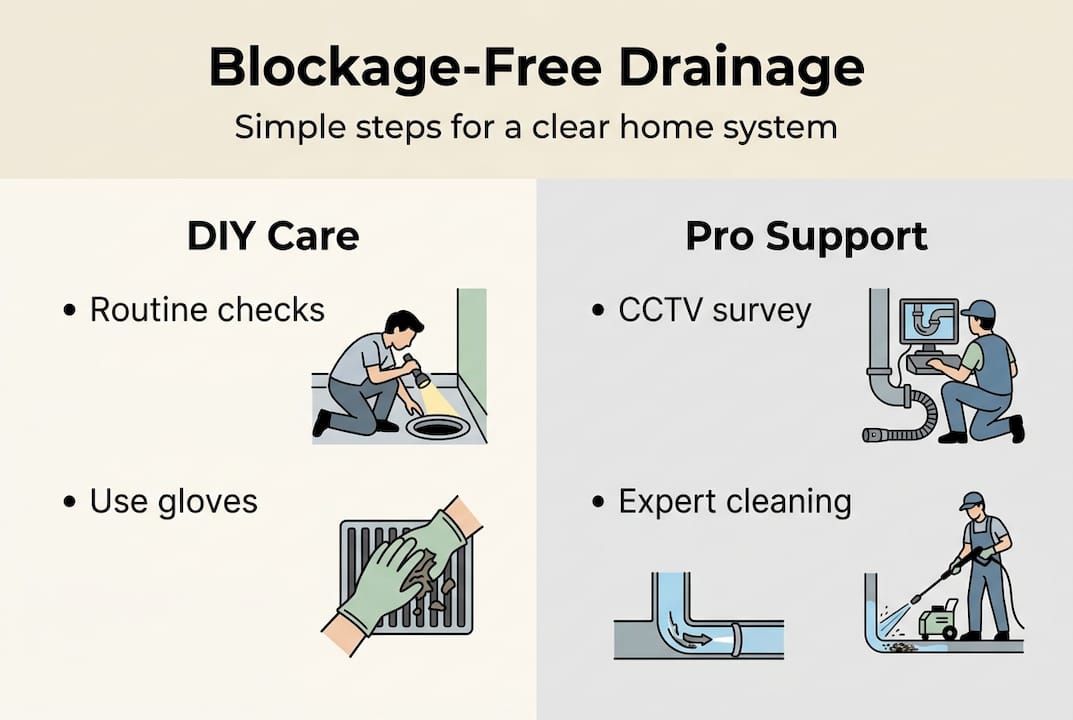
Think of it this way. You service your boiler every year because you know what an unserviced boiler costs in winter. Your drainage system deserves exactly the same logic. A CCTV survey once every two to three years, combined with annual cleaning, gives you the kind of certainty that lets you stop worrying. It shifts drainage from a source of stress to just another managed part of your home. That shift in mindset, more than any single upgrade, is what keeps Southampton homes comfortable and their owners in control.
Take the next step: Expert drainage services for peace of mind
Everything covered in this guide points toward one clear outcome: a drainage system that works reliably year-round, with fewer surprises and lower long-term costs.
Expert assessment adds a layer of certainty that no amount of DIY preparation can fully replace. Our team at Blocked Drains Southampton brings local knowledge, specialist equipment, and genuine experience with the specific challenges Southampton properties face. Whether you need a CCTV survey, high-pressure jetting, or a full drainage overhaul, you can view drain services on our website and find the right solution for your home. For a deeper understanding of local drainage conditions, our Southampton drainage guide is a practical starting point.
Frequently asked questions
What are the earliest signs of a drainage problem in my home?
Slow draining sinks, persistent bad smells, or gurgling sounds in pipes usually signal an issue. Common symptoms of inefficient drainage include unpleasant odours and recurring blockages that should not be ignored.
Can I optimise my drainage without professional help?
You can perform basic maintenance and checks yourself, but complex or persistent problems require expert intervention. Certain upgrades and root removal methods often warrant professional assistance to avoid making the problem worse.
How often should I schedule drain cleaning and checks?
Annual drain cleaning and quarterly checks typically prevent most blockages in UK homes. Routine maintenance significantly reduces emergency call-outs and keeps repair costs manageable over time.
Are there modern solutions to prevent future blockages?
Yes, installing root barriers, non-return valves, and conducting CCTV surveys are effective prevention methods. Modern drainage solutions like root-resistant piping and non-return valves can substantially reduce recurring blockages.
Does weather in Southampton affect my home’s drainage system?
Frequent rain and tree root infiltration make Southampton homes more vulnerable to drain issues. Local weather and ageing infrastructure increase blockage risk, particularly during autumn and winter when leaf fall and heavy rainfall coincide.