TL;DR:
- Recognizing signs like multiple slow drains, foul smells, and sewage overflow indicates a drain emergency.
- Immediate steps include turning off the main water supply, avoiding DIY fixes, and calling professionals promptly.
- Preventive measures and timely professional inspection help avoid costly property damage.
Water creeping up your shower tray. A foul smell rising from the kitchen sink. Then, without warning, sewage backing up across your bathroom floor. Drain emergencies happen fast, and they escalate faster. For homeowners in Southampton, where ageing Victorian infrastructure meets modern property demands, the stakes are especially high. Early action prevents escalation from a minor inconvenience to thousands of pounds in structural damage. This guide walks you through exactly what to do, what to avoid, and how to know when the crisis is genuinely over.
Table of Contents
- Recognising a drain emergency: signs and first steps
- What to do immediately: step-by-step drain emergency actions
- What not to do: mistakes to avoid in drain emergencies
- Verifying resolution and next steps: when is the emergency over?
- Hard-won lessons: what most guides miss about drain emergencies
- Need fast help with a drain emergency in Southampton?
- Frequently asked questions
Key Takeaways
| Point | Details |
|---|---|
| Recognise early signs | Spotting slow drains or strange smells early can help you act before major damage occurs. |
| Take swift action | Turning off water and calling local experts within the first hour keeps costs and stress low. |
| Avoid common errors | Never use harsh chemicals or ignore sewage smells during a drain emergency. |
| Verify and prevent | Check resolution thoroughly and book preventive checks to avoid repeat issues. |
Recognising a drain emergency: signs and first steps
With the gravity of drain emergencies established, the next step is knowing exactly what to look for before the situation worsens. Not every slow drain is a catastrophe, but certain warning signs demand immediate attention. Confusing the two can cost you dearly.
Here are the most telling signs that you are dealing with a genuine drainage emergency:
- Slow or stopped drainage across multiple fixtures at once, which points to a main line blockage rather than a single pipe
- Gurgling sounds from plugs or toilets, caused by trapped air being displaced by water struggling to pass through
- Foul, sewage-like smells indoors or near external drain covers, indicating decomposing waste or a broken seal
- Sewage or dirty water overflow in sinks, baths, or toilets, which is an immediate public health concern
- Soggy ground or wet patches in the garden near drain runs, suggesting an underground leak or collapse
Any one of these on its own warrants attention. Two or more together means you need to act right now.
Key fact: Understanding the common drain blockage causes in Southampton, from root intrusion to grease build-up in older pipes, can help you describe the problem accurately when you call for help.
The speed at which drainage problems escalate is genuinely alarming. A partial blockage can become a full overflow in a matter of hours, particularly if water is still being used in the property. Jetting clears most blockages in one to two hours when a specialist is called promptly, but every hour of delay can deepen the problem. Understanding the financial risks of delay is key to motivating fast action rather than a “wait and see” approach.
Pro Tip: As soon as you notice two or more warning signs, turn off your main water supply to reduce the pressure on your drainage system. This buys you time and limits further damage while you wait for professional help.
What to do immediately: step-by-step drain emergency actions
Once early warning signs are identified, it is vital to take swift, strategic actions:
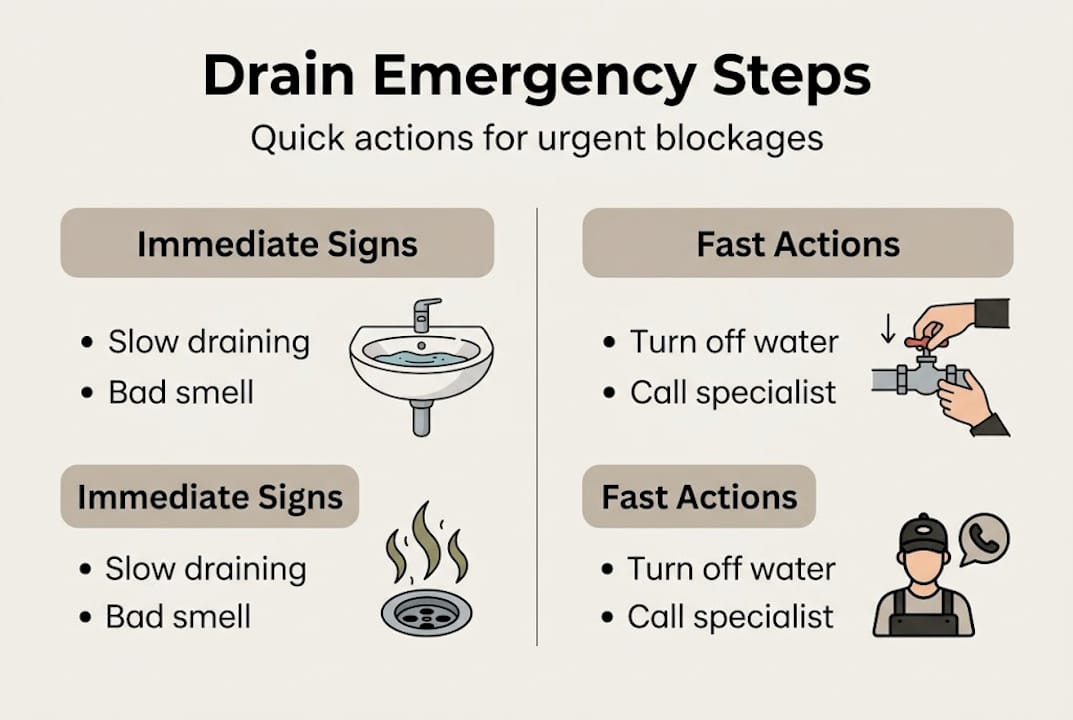
- Stay calm and assess the severity. Check whether the problem is isolated to one fixture or affects the whole property. If multiple drains are blocked, treat it as a main line emergency.
- Turn off the water supply at the stopcock to prevent additional water from entering an already stressed system. This is the single most important first action.
- Clear visible debris from plug holes or drain covers if it is safe to do so without tools. This includes hair, food waste, or surface debris that can be removed by hand.
- Do not flush toilets or run taps until you understand the severity. Adding more water to a blocked system accelerates overflow.
- Call a local drainage specialist. Describe your symptoms clearly: what you see, what you smell, and how many fixtures are affected. Professional drain emergency help is available around the clock across Southampton.
- Document everything. Take photos or short videos of any overflow, water damage, or visible blockages. This is essential for insurance claims and repair planning.
- Keep people and pets away from affected areas, particularly if sewage is visible. Raw sewage carries bacteria that pose serious health risks.
Response times of one to two hours are typical for Southampton drainage professionals, so once you have called, focus on containing the situation rather than fixing it yourself.
| Situation | DIY action appropriate | Call a professional |
|---|---|---|
| Single slow sink drain | Yes, try a plunger | If plunging fails after 10 minutes |
| Multiple blocked fixtures | No | Immediately |
| Sewage visible or backing up | No | Immediately |
| Gurgling from multiple drains | No | Same day at minimum |
| Outdoor drain slightly slow | Yes, clear surface debris | If problem persists |
| Suspected collapsed pipe | No | Immediately |
Pro Tip: When you call the specialist, have your property’s approximate age ready. Southampton has a high density of Victorian-era drainage systems, and this detail helps professionals bring the right equipment first time.
You can browse the full range of emergency drainage services available locally to understand what a trained team brings to your situation.
What not to do: mistakes to avoid in drain emergencies
Taking the right steps is crucial, but knowing which actions to avoid is just as important:
- Do not pour caustic chemicals down the drain. Products like bleach-based or acid-based drain cleaners can corrode older clay and iron pipes common across Southampton’s housing stock. They can also react dangerously with standing sewage water.
- Do not ignore sewage smells, even mild ones. What starts as a faint odour can signal a cracked pipe or failing seal that will worsen rapidly without intervention.
- Do not attempt DIY work on main drains or septic systems. These require specialist tools, safety equipment, and often regulatory compliance. Getting it wrong risks flooding your property or a neighbouring one, with potential legal consequences.
- Do not delay calling for help because you think the problem might resolve on its own. Blockages in shared or main sewer lines rarely clear without active intervention.
- Do not use a plunger on a toilet if sewage is already backing up. This can force contaminated water further into your home.
“Acting early can be the difference between a manageable call-out fee and a repair bill running into thousands.”
This is not an exaggeration. Early action prevents escalation from a minor blockage to significant property damage, including floor rot, wall damp, and even foundation issues if water is allowed to pool near structural elements over time.
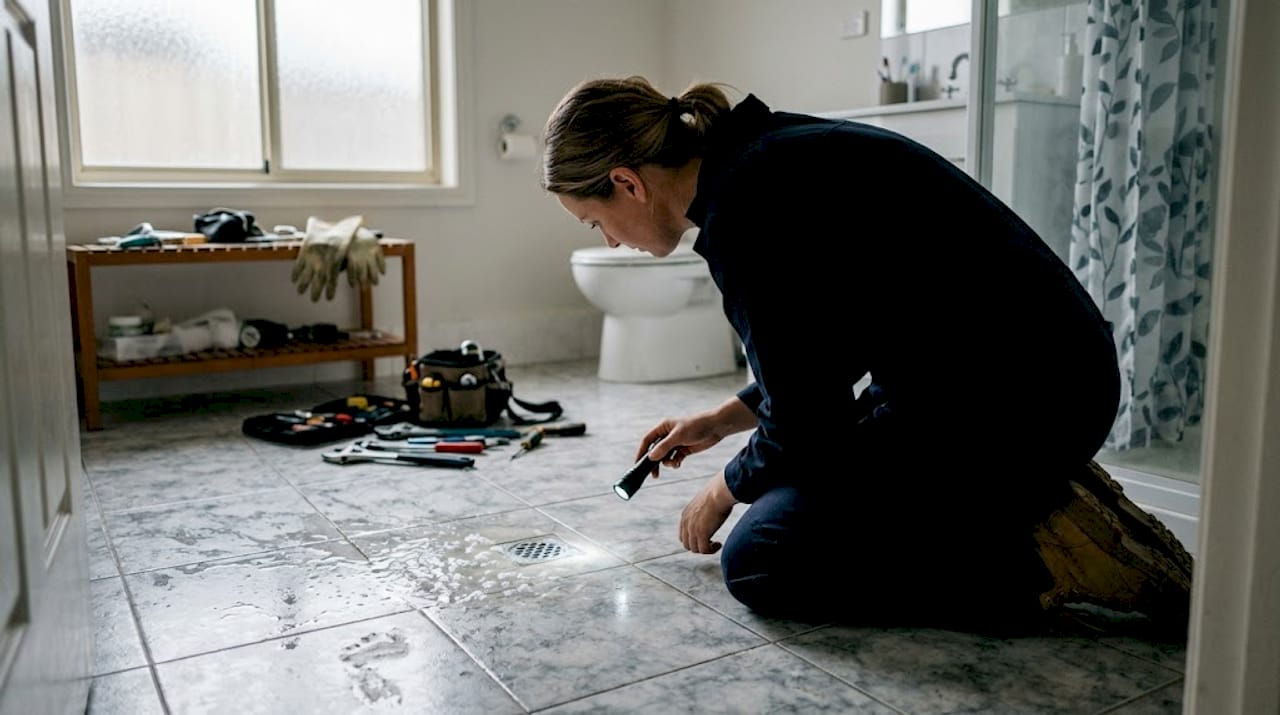
The temptation to try a quick fix is understandable. No one wants to spend money on a call-out if it might not be necessary. But the reality is that timely drain repairs nearly always cost far less than the cumulative damage caused by even a few hours of delay. Think of calling a professional early as protecting your property’s value, not spending unnecessarily.
Verifying resolution and next steps: when is the emergency over?
With the main event handled, it is vital to ensure the problem is truly fixed and does not repeat. Many homeowners make the mistake of assuming a clear drain means a resolved problem. It often does not.
Here is how to verify that your drainage emergency has been genuinely resolved:
- Run water at every fixture in sequence and observe the flow rate. Normal drainage should be brisk and unobstructed.
- Check for residual odours near drains, in the garden, and in any rooms that were affected. Lingering smells can indicate remaining waste or a damaged pipe.
- Listen for gurgling after flushing or draining. Continuing sounds suggest trapped air, which points to a partial blockage or a venting issue.
- Inspect outdoor drain covers for pooling water or unusual ground saturation.
Jetting clears most blockages effectively, but underlying structural issues, such as root ingress or pipe displacement, may persist and require professional diagnostics to uncover. This is where a CCTV survey becomes invaluable.
| Scenario | DIY check sufficient | Professional assessment needed |
|---|---|---|
| Single fixture now draining freely | Yes | Only if odours persist |
| Multiple fixtures cleared by jetting | Partial | CCTV survey recommended |
| Sewage overflow was present | No | Full assessment required |
| Recurring blockages over 6 months | No | Survey and root cause analysis |
| Older property with clay pipes | No | Annual check advised |
For any incident involving sewage overflow or recurring blockages, drain survey advice is clear: a CCTV inspection is the only way to rule out underlying damage. Preventive drain surveys are also worth scheduling annually, especially in older Southampton properties where unseen deterioration is common.
Hard-won lessons: what most guides miss about drain emergencies
Practical steps are only part of the story. Here is what experience in Southampton reveals beyond the checklists.
The part most guides skip over is the psychological weight of a drain emergency. When sewage is on your bathroom floor and you do not know who to call or what to do first, panic sets in fast. That panic leads to two predictable outcomes: either people freeze and wait too long, or they grab chemicals and make things worse. Having a plan in place before a crisis occurs is the single most effective thing a homeowner can do.
We have seen countless situations where a professional’s quick response saved a homeowner both time and significant expense, not because the blockage itself was complex, but because the homeowner did not waste critical hours attempting fixes that were never going to work.
Cutting corners rarely pays off in drainage. Investing in Southampton drainage solutions and routine maintenance can feel overcautious when everything is working fine. But Southampton’s mix of Victorian sewers, heavy clay soils, and coastal weather creates a uniquely demanding environment for drainage systems.
Pro Tip: Save the number of a reputable local drainage specialist in your phone now, before you ever need it. That one small action removes a major source of stress when a crisis does strike.
Need fast help with a drain emergency in Southampton?
If you have worked through this guide and still have water where it should not be, or if you simply want peace of mind that the job has been done right, it is time to speak to a local expert. Drain emergencies are not the moment for guesswork.
Our team offers full drainage services across Southampton, including 24/7 emergency response, CCTV surveys, jetting, and repairs. Whether you are in Swaythling or anywhere across the city, we respond fast and arrive prepared. Explore our best drainage solutions or call us directly to get the right help at the right time. Your home deserves a swift, professional resolution, not a temporary fix.
Frequently asked questions
What is the fastest way to clear a blocked drain in an emergency?
Remove any visible surface debris safely, avoid chemical cleaners, and call a local drainage specialist immediately. Jetting clears most blockages in one to two hours when a professional is on site.
How quickly should I call a professional for a drain problem?
Contact a professional within the first hour or two of noticing symptoms. Early action is crucial to prevent a manageable blockage from becoming a costly structural problem.
What should I do if sewage backs up into my home?
Turn off your water supply immediately, keep all household members and pets away from the affected area, and contact an emergency drainage service without delay.
Can I use regular drain cleaners for an emergency?
No. Off-the-shelf drain cleaners can corrode older pipes and react dangerously with sewage. Always contact a professional rather than reaching for a chemical solution.
How can I prevent future drain emergencies?
Avoid flushing wipes, grease, or food waste, and book regular professional maintenance. Preventive surveys reduce emergencies significantly, making them one of the most cost-effective investments a homeowner can make.