TL;DR:
- Blocked drains can lead to costly and stressful repairs, especially in Southampton’s older pipe networks.
- Preventative habits like filtering fats, using drain guards, and regular enzyme treatments help maintain flow.
- Routine inspections and professional surveys are key to avoiding costly emergencies and long-term damage.
Blocked drains have a knack for turning a normal Tuesday into an expensive, stressful ordeal. Whether it’s a slow-draining sink, a gurgling toilet, or a flooded bathroom, the disruption is real and the repair bills can be painful. Southampton homes face particular challenges thanks to the city’s older pipe networks and dense housing stock, where small blockages can escalate quickly. This guide gives you practical, evidence-backed prevention tips that actually work, from simple daily habits to smart product choices, so you can keep your drains flowing freely and avoid calling for emergency help.
Table of Contents
- Know the top causes of blocked drains
- Adopt daily habits to keep drains clear
- Install physical barriers and use regular treatments
- Schedule regular maintenance to avoid costly emergencies
- Why most blocked drain tips miss the real savings
- Get help and drain peace of mind in Southampton
- Frequently asked questions
Key Takeaways
| Point | Details |
|---|---|
| Prevent blockages daily | Simple habits like binning fat and using strainers can stop most clogs before they start. |
| Choose safe treatments | Monthly enzyme cleaning is safe for pipes and protects against hidden buildup. |
| Schedule regular maintenance | Professional surveys and cleaning catch issues early and save costly emergencies. |
| Avoid ‘flushable’ wipes | Even wipes labelled ‘flushable’ don’t break down and cause fatbergs in local drains. |
Know the top causes of blocked drains
Before you can stop blockages, you need to understand what causes them. The vast majority of drain problems in residential properties come down to a handful of everyday culprits, and most of them are entirely avoidable.
FOG, which stands for fats, oils, and grease, is one of the most damaging things you can put down a drain. When hot grease enters the pipe, it cools, solidifies, and coats the pipe walls. Over time, other debris sticks to it, and you end up with a stubborn, dense blockage. Hair is the second major offender, particularly in bathroom drains, where it binds together and traps soap scum. Food particles, coffee grounds, and rice are common kitchen sink problems, while wet wipes cause serious issues in toilets.
The drain blockage culprits that professionals see most often include:
- Fats, oils, and grease (FOG): Solidify inside pipes and trap other debris
- Hair: Clumps together and forms dense plugs in shower and bath drains
- Food waste: Coffee grounds, rice, and vegetable peelings accumulate rapidly
- Wet wipes and cotton pads: Do not break down, even if labelled ‘flushable’
- Sanitary products: Expand in water and cause serious blockages
The rule to remember is the 3Ps only: pee, poo, and paper. Everything else belongs in the bin.
| Material | Where it causes problems | Why it blocks |
|---|---|---|
| Cooking grease | Kitchen sink | Solidifies and coats pipe walls |
| Hair | Shower, bath, basin | Binds together and traps soap |
| Wet wipes | Toilet | Does not break down in water |
| Food particles | Kitchen sink | Accumulates and ferments |
| Sanitary products | Toilet | Expands and creates solid plugs |
Wet wipes are the top cause in some networks, even when labelled ‘flushable’. They bind with grease to form fatbergs, which are dense, rock-hard masses that can fill entire pipe sections. If you want fast blocked drain solutions when things go wrong, knowing the cause helps professionals act faster.
Adopt daily habits to keep drains clear
Understanding the main causes, here are simple habits you can start now to prevent blockages. The good news is that none of these require specialist knowledge or expensive equipment.
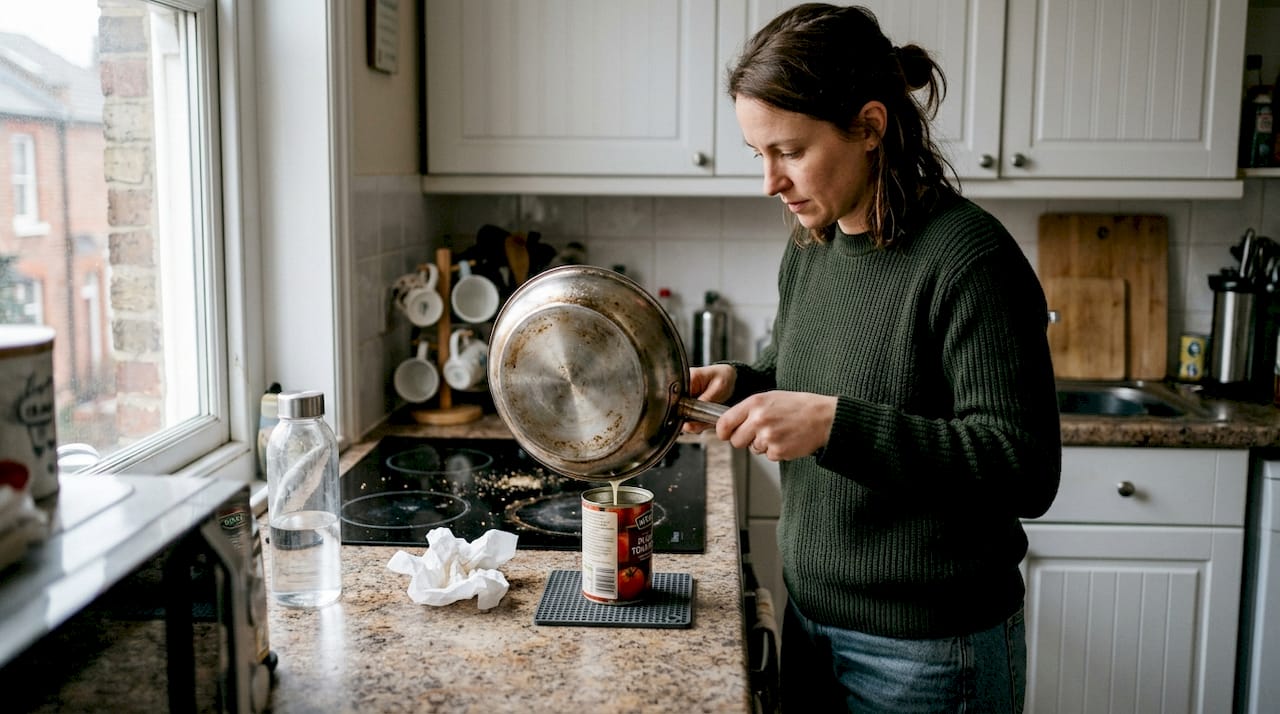
The single most impactful change you can make in the kitchen is to stop pouring fat down the sink. After cooking, let the grease cool in the pan or pour it into an old tin or jar. Once solid, scrape it into the bin. It takes thirty seconds and saves you from a potentially expensive repair. Prevent FOG blockages by cooling grease and binning it, and always use a sink strainer to catch food particles before they enter the pipe.
In the bathroom, fit a simple hair catcher over your shower or bath drain. These cost less than a few pounds and catch the hair before it enters the pipe. Empty the catcher after every shower. It’s one of those habits that feels minor until you see how much hair accumulates in a single week.
Here’s a quick list of daily habits worth building:
- Cool and bin all cooking fats, oils, and grease
- Use a sink strainer in the kitchen to catch food debris
- Fit a hair catcher in the shower and bath
- Flush only the 3Ps: pee, poo, and toilet paper
- Bin all wipes, cotton wool, and sanitary products
- Scrape plates into the bin before rinsing
“The drains that never block are usually in homes where the owners have one or two simple habits in place. It’s rarely about expensive products.”
Pro Tip: Pour a kettle of hot (not boiling) water down your kitchen sink once a week. It helps soften any grease residue before it has a chance to solidify. Combine this with a monthly enzyme cleaner treatment for best results. You can find more ideas on the blocked drain prevention blog to keep your system in top shape.
Install physical barriers and use regular treatments
Beyond good habits, certain tools and treatments provide extra defence for your drains. Think of them as a passive safety net that works even when you forget to follow the rules.
Drain guards and screens are the most straightforward option. Fit them over every sink, bath, and shower outlet in your home. They catch hair, food debris, and other solids before they enter the pipe. Use drain guards and screens for hair, food, and debris in baths and sinks, and pair them with enzyme cleaners that digest organic buildup on a monthly basis.
Here’s how to choose the right barrier for each drain:
- Kitchen sink: Use a fine-mesh strainer that catches food particles and coffee grounds
- Bathroom basin: A simple rubber plug guard works well for hair and soap
- Shower tray: A flat hair catcher with a fine grid is most effective
- Bath: A pop-up drain cover with a mesh insert catches hair during bathing
- Outside drains: Fit a leaf guard to prevent debris from garden areas entering
For treatments, enzyme-based drain cleaners are the safest and most effective option for regular use. They contain live bacteria that digest organic matter such as grease, hair, and soap scum. Unlike harsh chemical cleaners, enzymes are safer than chemicals for PVC and cast iron pipes, and hydrojetting is best left to professionals when more serious clearing is needed.
| Treatment type | Best use | Pipe safety | Frequency |
|---|---|---|---|
| Enzyme cleaner | Monthly maintenance | Safe for all pipe types | Monthly |
| Baking soda and vinegar | Mild odours | Safe | As needed |
| Chemical drain cleaner | Severe clogs only | Risk to PVC and older pipes | Rarely |
| Hydrojetting | Professional clearing | Professional use only | Annually |
Pro Tip: Avoid using chemical drain cleaners regularly. They can corrode older pipe joints and create bigger problems over time. If a blockage does not clear with enzyme treatment, it’s time to call a professional rather than reach for a stronger chemical. For serious cases, drain jetting explained covers what professional high-pressure clearing involves and when it’s appropriate. You can also save money with surveys by catching problems before they need jetting.
Schedule regular maintenance to avoid costly emergencies
Relying on passive measures isn’t enough. Regular upkeep guarantees long-term results and protects your home from the kind of sudden, expensive failures that catch homeowners off guard.
An annual professional drain survey is one of the most cost-effective things you can do for your property. A CCTV survey can spot root ingress, partial blockages, collapsed sections, and grease buildup that you would never detect from the surface. Catching these issues early means a simple clean rather than a full pipe repair.
The scale of reactive drain problems is significant. Emergency drain costs across networks run into tens of millions of pounds per year, much of it driven by fatbergs and blockages that could have been prevented with routine maintenance. Preventive care is simply cheaper, every time.
Here’s a simple quarterly inspection checklist you can do yourself:
- Run water in every sink and check for slow drainage
- Inspect visible pipe joints under sinks for signs of moisture or staining
- Check outdoor drain covers for debris buildup and clear if needed
- Smell test: a persistent bad odour often signals a partial blockage forming
- Test toilet flush speed and listen for gurgling sounds in other drains
Additional steps worth taking each year:
- Book a professional CCTV drain survey if your property is over twenty years old
- Have a plumber check any shared drainage runs with neighbouring properties
- Clear gutters and downpipes before autumn to prevent overflow into drains
- Ask your drainage provider about drain maintenance services that include scheduled visits
Southampton’s older housing stock means many pipes are cast iron or clay, both of which are more vulnerable to root ingress and joint failure. Working with local drainage experts who understand the city’s specific infrastructure gives you a real advantage when it comes to early detection.
Why most blocked drain tips miss the real savings
Most prevention guides focus on individual tips: don’t pour grease down the sink, use a hair catcher, flush only the 3Ps. All of that advice is correct. But it misses the bigger picture, and that’s where most homeowners quietly lose money.
The real cost of blocked drains is not the single emergency callout. It’s the slow, cumulative damage caused by years of small lapses. A little grease here, a few wipes there, a drain that’s never been inspected. Each one seems harmless. Together, they create the conditions for a serious failure.
The homeowners who genuinely save money on drainage are not the ones with the best gadgets. They’re the ones who treat drain care as a routine, like changing a smoke alarm battery or bleeding a radiator. Small, consistent effort beats occasional panic every time.
This is why professional drain cleaning is not just about clearing a blockage. It’s about resetting the pipe to a clean baseline so your daily habits actually work. Without that baseline, even good habits are fighting a losing battle against years of accumulated buildup. Routine care combined with occasional professional attention is the combination that actually works.
Get help and drain peace of mind in Southampton
If you’re dealing with a stubborn blockage or want regular peace of mind, here’s where to get local, expert help.
Sometimes prevention tips aren’t enough, especially in older Southampton properties where pipe conditions can be unpredictable. That’s where professional support makes all the difference.
Whether you need a rapid response to a blocked drain in Bassett blocked drains service or a thorough Southampton drain surveys to catch hidden problems before they escalate, the team at Blocked Drains Southampton is ready to help. Booking a survey is one of the smartest ways to reduce emergencies with surveys and avoid the stress of unexpected failures. Get in touch today for fast, friendly, and professional drainage support across Southampton and the surrounding areas.
Frequently asked questions
Are enzyme drain cleaners better than chemical cleaners?
Yes, enzyme cleaners are safer for most pipe types, including PVC and cast iron, and reduce long-term organic buildup without the corrosive risks that harsh chemical cleaners carry.
Do ‘flushable’ wipes actually break down in drains?
No. Flushable wipes do not break down properly in drainage systems and are a leading cause of fatbergs and serious blockages, regardless of what the packaging claims.
How often should I use enzyme drain cleaner?
Use it once a month to keep organic matter from accumulating inside your pipes and to maintain a free-flowing drainage system throughout the year.
What’s the biggest mistake people make with drains?
Pouring fat, oil, or grease down the sink is the most common and costly mistake, as it solidifies inside pipes, traps other debris, and leads to expensive emergency blockages.