TL;DR:
- A collapsed drain is a pipe that has lost its structural integrity, causing blockages or leaks.
- Signs include persistent foul odors, garden damp patches, sinkholes, and reoccurring blockages.
- CCTV surveys are essential for accurate diagnosis and choosing appropriate minimally invasive repair methods.
Most homeowners assume that if water is draining slowly or backing up, they simply have a blockage. Pour some drain cleaner down, call a plumber to clear the pipe, and the problem is solved. But this assumption can be genuinely costly. A collapsed drain is an entirely different beast. It is a physical structural failure inside your pipework, and treating it like a standard blockage wastes time, money, and risks serious damage to your property. If your drain keeps blocking, smells odd, or your garden has developed a mysterious damp patch, this guide will help you understand exactly what is happening and what your real options are.
Table of Contents
- What is a collapsed drain?
- How to spot the warning signs
- What causes drains to collapse?
- Comparison of collapsed drain repair methods
- The role of CCTV and inspection technology
- Our perspective: why the repair decision matters more than the diagnosis
- How we can help with collapsed drains in Southampton
- Frequently asked questions
Key Takeaways
| Point | Details |
|---|---|
| Collapsed drains defined | A collapsed drain is a structural failure where the pipe breaks or loses shape, blocking water flow. |
| Warning signs matter | Repeated blockages, bad smells, and soggy patches can signal a collapsed drain and require urgent response. |
| Inspection is essential | CCTV surveys give clear answers on drain status and guide the proper repair method. |
| Repair choices depend on damage | Partial collapses may allow trenchless repair; total collapses generally need extensive replacement. |
What is a collapsed drain?
Now that you know collapsed drains are not ordinary blockages, let us break down what the term really means and why it matters.
A collapsed drain is a pipe that has lost its structural shape, either partially or completely. Instead of a round, open channel for water to flow through, the pipe has cracked, buckled, or caved inward, reducing or entirely blocking the passage. This is not grease, debris, or roots lodged inside the pipe. The pipe itself has failed. Water cannot flow properly through a deformed structure, which is why the symptoms of a collapsed drain can look deceptively similar to a simple blockage.
The causes behind drain collapse are varied. Here are the most common ones you will encounter:
- Ageing pipes: Many properties in Southampton sit above Victorian-era clay or pitch-fibre pipes. These materials degrade over decades and lose their ability to support themselves.
- Root ingress: Tree roots seek out moisture and can grow into pipe joints, eventually splitting or crushing the pipe from inside.
- Ground movement: Seasonal soil shrinkage, heavy rainfall, and nearby construction can shift the earth around pipes, causing them to crack or separate.
- Heavy loads above the drain: Parking vehicles on a garden or driveway above an old drain puts pressure on pipes not designed for that weight.
- Poor original installation: Pipes laid without proper bedding or at incorrect gradients are far more vulnerable to collapse over time.
The critical difference between a blockage and a collapse is that a blockage is an internal build-up you can clear, while a collapse is a physical pipe failure that requires repair or replacement. You can jet-wash a blockage away. You cannot jet-wash a collapsed pipe back into shape.
“The first step in addressing any suspected drain collapse should always be a CCTV inspection. Only then can you determine whether you are dealing with a partial or full collapse, and which trenchless repair options such as CIPP pipe relining, pipe bursting, or patch lining are appropriate, versus full excavation and replacement.”
Our detailed collapsed drain repair guide walks through each repair stage in depth, but the first step is always accurate diagnosis. Common symptoms worth paying attention to include signs of blocked drains that keep recurring even after professional clearing, persistent foul odours, or soft or sunken ground near drain runs. These are the body’s warning signals, and ignoring them leads to significantly higher repair costs further down the line. You can also cross-check symptoms against guidance on recognising sewer clogs to understand the overlap with a true collapse.
How to spot the warning signs
Understanding the definition is key, but being able to spot the signs in your own property means you can take action before things worsen.
The following five warning signs are the most reliable indicators that you may be dealing with a collapsed drain rather than a routine issue:
- Repeated blockages: If your drain blocks, gets cleared professionally, and then blocks again within weeks, the pipe structure itself is likely the problem. Debris accumulates at the point of collapse.
- Persistent foul odours: A healthy drain system is sealed. When a pipe collapses, sewage and gases can escape into the surrounding soil and sometimes into your home, producing a distinctly unpleasant smell.
- Damp patches or soft ground outdoors: A collapsed pipe allows water and sewage to leak into the surrounding soil. If you notice an inexplicably wet or sunken patch in your garden, the drain beneath it may have failed.
- Sinkholes or depressions in the garden: Persistent leaking from a broken pipe erodes the soil around it. Over time, this creates visible depressions or small sinkholes, particularly after heavy rain.
- Sewage backing up into the home: If you notice waste returning through a toilet, shower, or sink that is not the one you are using, there is a serious obstruction or structural failure in your main drain.
Early detection is crucial. A drain collapse caught at the partial stage is typically repairable using non-invasive methods. Left unaddressed, the pipe can deteriorate into a full collapse, meaning the only option is excavation and full pipe replacement, which costs significantly more and causes considerable disruption to your garden or driveway. For a broader overview of what warning signs look like day to day, check our guide on common drain issue signs.
Pro Tip: Never dismiss a slow-draining sink or bath that has been cleared once already. A drain that repeatedly runs slow is often telling you there is a structural problem, not just a build-up. Booking a CCTV survey after two or three recurring blockages could save you thousands compared with waiting for a full collapse.
“Once symptoms are identified, a CCTV survey confirms the extent of the collapse and determines whether trenchless repair or excavation is the appropriate course of action.”
What causes drains to collapse?
When you notice warning signs, understanding the causes behind a drain collapse can help you both respond wisely and plan for future prevention.
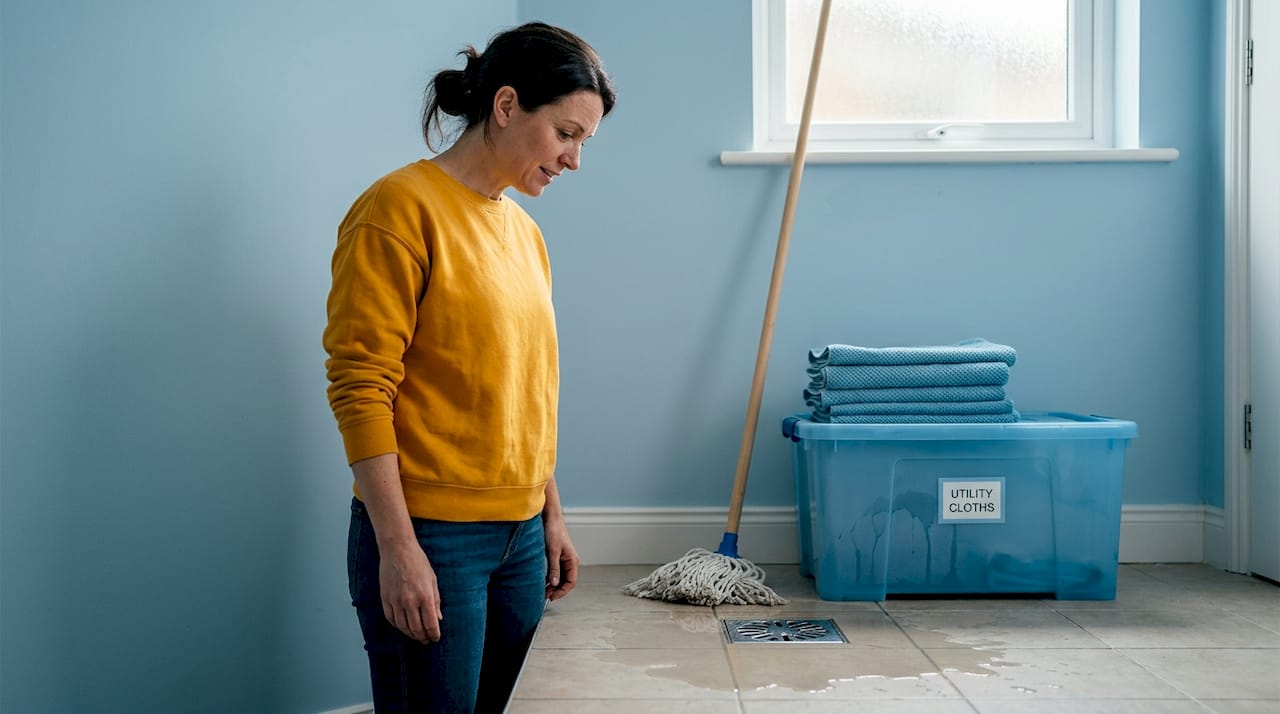
Southampton’s housing stock includes a significant number of older terraced and semi-detached properties built in the early to mid 20th century. Many of these properties still have their original clay or pitch-fibre drainage systems. Pitch-fibre pipes, commonly installed from the 1940s through to the 1970s, are particularly prone to delamination and collapse once they reach middle age. They soften over time, absorb moisture, and eventually lose their circular profile entirely, a phenomenon sometimes called “out-of-roundness.”
The key causes of drain collapse include:
- Ageing pipework: Pipes over 40 years old face significantly higher collapse risk, regardless of material.
- Tree root invasion: Roots from hedges, trees, and large shrubs exploit even hairline cracks in joints, widening them over years until the pipe fails structurally. The moisture risks from poor drainage associated with root damage can also affect nearby foundations.
- Heavy vehicle or machinery loads: Driveways not built to accommodate modern vehicle weights can transmit load directly into shallow drain runs.
- Ground instability: Areas with clay-heavy soils, as is common in parts of Southampton, experience significant ground movement during wet and dry cycles. This stresses pipe joints and bends.
- Poor original bedding: Pipes laid without adequate compacted sand or gravel surround are unsupported and far more vulnerable to external pressure.
If your home was built before 1980, the risk of encountering a collapsed drain at some point is meaningfully higher. Guidance on preventing drain damage in older properties covers what maintenance steps can reduce your overall risk.
Pro Tip: Schedule an annual drain check, particularly in autumn after leaves have fallen and before winter ground freeze. This gives you a clear picture of pipe condition and catches small cracks before they become major failures.
It is worth knowing that some collapses are genuinely outside the owner’s control. Ground movement caused by extreme weather or neighbouring construction activity can damage perfectly well-maintained pipes. In these circumstances, acting quickly still matters. A partial collapse addressed promptly will almost always cost far less than one that has been allowed to deteriorate over a second winter.
Comparison of collapsed drain repair methods
By pinpointing the cause and extent of the collapse, you are prepared to make sense of the different repair options available and choose the most effective approach.
Not every drain collapse requires your garden to be dug up. Modern drainage engineering offers several approaches, and the right one depends on whether the collapse is partial or total, the soil conditions, access, pipe size, and your budget. Here is how the four main methods compare:
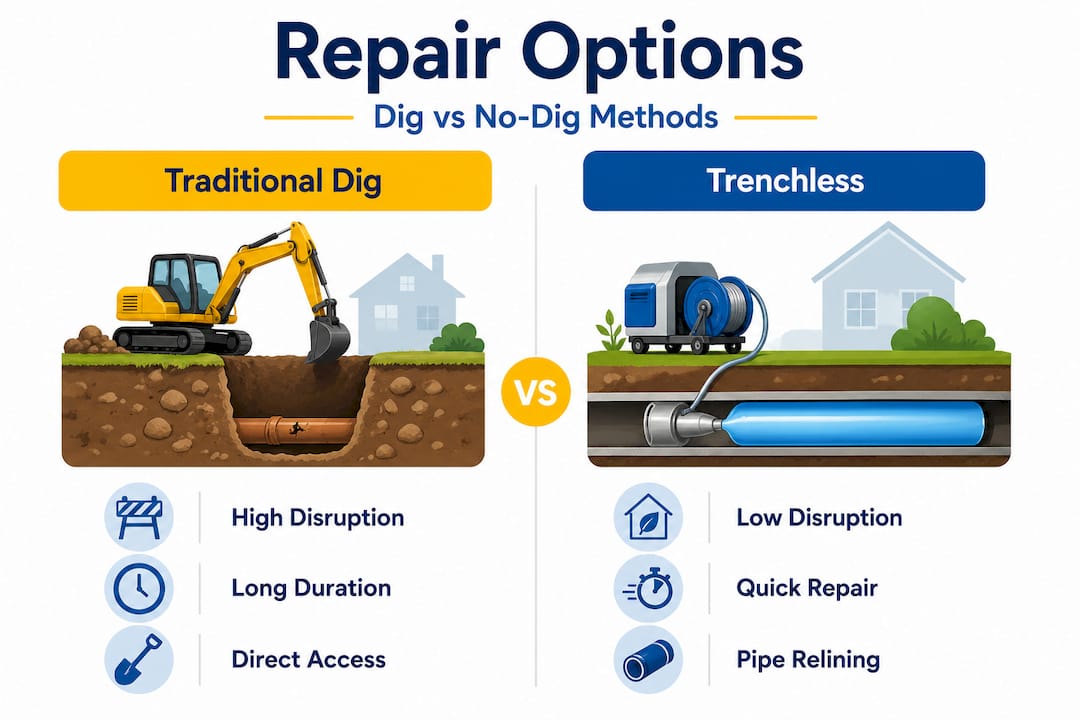
| Repair method | Best for | Disruption level | Approximate cost range | Longevity |
|---|---|---|---|---|
| Pipe relining (CIPP) | Partial collapse with pipe form intact | Very low | £800 to £2,500 | 50+ years |
| Patch lining | Small localised damage or crack | Very low | £400 to £1,200 | 30 to 50 years |
| Pipe bursting | Full collapse, replacement needed | Low to moderate | £1,500 to £4,000 | 50+ years |
| Traditional excavation | Full collapse, inaccessible or complex | High | £2,000 to £8,000+ | Dependent on material |
As noted by drainage engineering research, partial vs full collapse is the defining factor: relining and patching require the host pipe to still hold some form, while bursting and excavation suit completely failed pipes where no pathway exists.
A few key considerations when selecting a repair method:
- Soil stability: Unstable or waterlogged ground can complicate trenchless methods, sometimes making excavation necessary even for a partial collapse.
- Pipe diameter and depth: Narrower or unusually deep pipes may require specialist equipment regardless of collapse severity.
- Access points: Relining and patch lining require access at both ends of the damaged section. Limited access may change the approach.
- Heritage or landscaping: Where digging would destroy mature gardens, period paving, or listed property features, non-invasive trenchless methods are strongly preferred.
For a deeper look at one specific modern approach, our explanation of no-dig drain patch repair is a good starting point, as is the guide on the full drain relining process as it applies to Southampton properties.
The role of CCTV and inspection technology
Once you understand the repair options, it is important to know how professionals determine the right one, starting with a thorough drain inspection.
A CCTV drain survey is the diagnostic cornerstone of modern drainage work. A small camera is fed into the drain, transmitting live footage to a monitor. The engineer can see exactly where the collapse has occurred, how severe it is, what has caused it, and what condition the surrounding pipe is in. Without this data, any repair decision is essentially guesswork.
Here is how CCTV inspection compares with traditional manual inspection:
| Inspection type | Accuracy | Disruption | Location of damage | Report provided |
|---|---|---|---|---|
| CCTV survey | Very high | None | Exact location and extent | Yes, with footage |
| Manual/visual inspection | Low | Low to moderate | Surface indicators only | No |
| Water flow testing | Moderate | Low | General area | Basic only |
| Ground probing | Moderate | Moderate | Approximate | Sometimes |
CCTV survey data directly informs which repair method is appropriate. It eliminates unnecessary excavation and reduces the overall cost of the job. Repair methodologies universally begin with camera inspection before any physical intervention.
Beyond diagnosis, CCTV technology supports:
- Pre-purchase drain surveys: Finding out the condition of drains before buying a property is increasingly common and genuinely sensible.
- Post-repair verification: Confirming that relining, patch repair, or other work has been completed correctly and the pipe is fully functional.
- Root mapping: Identifying where root intrusion is occurring so targeted removal or barrier treatment can be applied.
To understand how this technology is applied locally, our overview of drain inspection technology and practical drain survey tips give a clear picture of what to expect when you book an inspection.
Our perspective: why the repair decision matters more than the diagnosis
Here is a view that runs contrary to how most drainage advice is framed. Getting the diagnosis right, while essential, is not the hardest part of dealing with a collapsed drain. The hardest part is making the correct repair decision once you have the survey results in hand.
We have seen property owners presented with a CCTV report showing a 30% collapsed section of pipe who immediately authorise full excavation because a contractor told them it was “the only safe option.” In many of those cases, patch lining or relining would have solved the problem at a fraction of the cost and disruption. Equally, we have seen homeowners choose relining on a fully collapsed pipe where the pipe had no remaining form to support the lining, resulting in a failed repair and the eventual excavation they tried to avoid.
The uncomfortable truth is that a diagnosis tells you what is wrong. What you do with that information requires experience, honest assessment, and the willingness to match the repair method to the actual problem, not to the method a contractor happens to prefer or happens to have on the van that day.
Southampton’s older infrastructure means you will encounter a wide range of pipe conditions, materials, and collapse types. Pitch-fibre from the 1960s behaves completely differently to Victorian clay. Modern plastic drainage fails differently again. The repair strategy must reflect the specific pipe, the specific collapse, and the specific environment around it. Investing a few hundred pounds in a quality CCTV survey before committing to any repair is the single most financially protective decision a homeowner can make.
How we can help with collapsed drains in Southampton
If you have noticed any of the warning signs covered in this guide, or if you simply want peace of mind about the condition of your drains, our team is ready to help.

At Blocked Drains Southampton, we carry out CCTV drain surveys across Southampton and the surrounding areas, giving you clear, unambiguous footage and a written report. From there, we can advise honestly on whether relining, patch repair, pipe bursting, or excavation is the right course. We use modern trenchless technology wherever possible to keep disruption to your garden and property to an absolute minimum. Whether you are dealing with a suspected collapse, persistent blockages, or you want a survey before buying a property, you can reach us through our online booking form or by phone for a prompt, straightforward response.
Frequently asked questions
What is the fastest way to confirm a collapsed drain?
A professional CCTV drain survey provides immediate, clear visual evidence of a collapse, its exact location, and the extent of damage, without any digging.
Can a partially collapsed drain be repaired without digging?
Yes. Trenchless methods such as CIPP pipe relining, patch lining, or pipe bursting can address partial collapses with minimal excavation, provided the pipe still retains some structural form.
Are collapsed drains covered by home insurance?
Some policies cover accidental damage to drains but commonly exclude gradual deterioration, wear and tear, or damage caused by tree root invasion. Always check the specific wording of your policy and contact your insurer before undertaking repairs.
What is the difference between a blocked and a collapsed drain?
A blocked drain involves internal debris or build-up restricting flow, while a collapsed drain is a structural failure where the pipe has lost its shape or broken, physically preventing flow regardless of what is inside it.