TL;DR:
- Early signs like slow draining and foul smells can prevent costly drain repairs.
- Victorian-era pipes and tree roots increase Southampton home’s risk of drain blockages.
- Immediate action is vital for sewage backups or outdoor flooding to protect property.
Blocked drains rarely announce themselves loudly. Most of the time, the warning signs creep in quietly — a faint smell here, a slow sink there — and homeowners in Southampton often dismiss them until the problem becomes genuinely serious. Missing these early indicators can turn a straightforward fix into an expensive repair, sometimes costing thousands of pounds in property damage. Southampton properties face particular challenges due to older pipework, tree-lined streets, and the city’s coastal geography. This article walks you through every major warning sign, explains what each one means, compares urgency levels, and gives you a clear action plan.
Table of Contents
- Common signs of blocked drains in Southampton homes
- What makes each sign a red flag? Plumbing clues explained
- Comparing blocked drain symptoms: How urgent is your problem?
- What to do next: Practical tips and prevention for Southampton properties
- A Southampton expert’s perspective: What most guides miss about blocked drain warning signs
- Solve your drainage issues with Southampton’s trusted experts
- Frequently asked questions
Key Takeaways
| Point | Details |
|---|---|
| Early symptoms matter | Spotting subtle drain issues quickly saves you costly repairs and property damage. |
| Know your red flags | Backed up water and foul smells are the most common warning signs of blockages. |
| Act before it escalates | Prompt attention to blocked drains prevents emergencies and expensive fixes. |
| Prevention is best | Regular maintenance and smart habits keep your drains flowing freely all year. |
Common signs of blocked drains in Southampton homes
With the importance of early detection established, let’s outline the main signs your drains are blocked. Knowing what to look and listen for puts you in control before a minor inconvenience becomes a full-scale drainage emergency.
The most common warning signs include:
- Foul smells coming from plugs, gullies, or outside drains, often caused by trapped food, grease, or sewage
- Slow draining in sinks, baths, or showers, where water takes noticeably longer than usual to clear
- Gurgling sounds from pipes or toilets, which signal air being pushed through a partial blockage
- Water backing up in toilets, sinks, or baths, particularly when using another fixture nearby
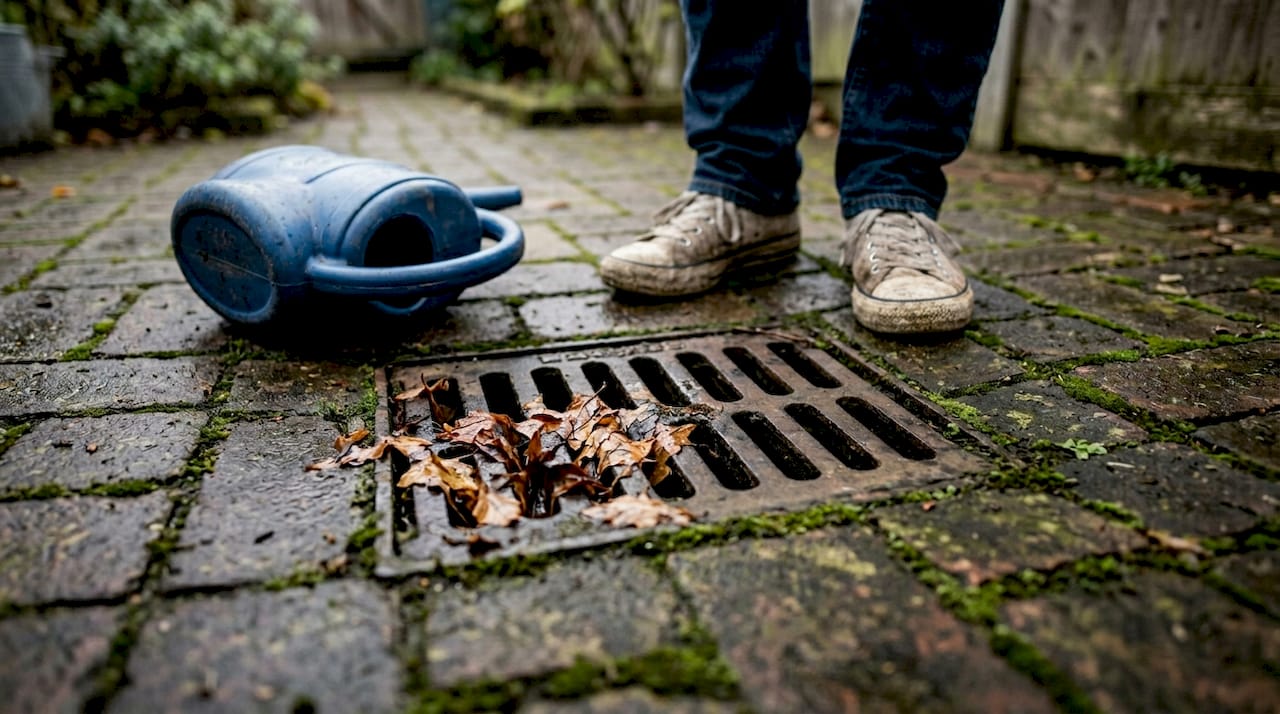
- Wet patches or localised flooding in your garden or along pathways, pointing to an exterior blockage
- Raised drain covers or visible overflow from inspection chambers outside your home
Each of these signs tells a different part of the story. A slow kitchen sink, for instance, typically points to a build-up of grease and food waste in the waste pipe directly beneath. Gurgling from a toilet when you run the bath, however, suggests a blockage much further along the shared drainage system.
For Southampton homeowners, identifying blocked drains early is especially important because many properties in areas like Shirley, Bitterne, and Portswood still rely on Victorian-era clay pipes. These older systems are far more prone to cracking, root intrusion, and sediment build-up than modern plastic pipework.
Understanding the causes of blocked drains also helps you spot patterns. Repeat blockages in the same location almost always signal an underlying structural issue rather than a one-off incident.
Statistic: Water backup in toilets or sinks signals blockages in main or soil pipes, according to WaterSafe — one of the most reliable indicators that the problem extends beyond a single fixture.
Pro Tip: If you notice persistent dampness around your drain covers or the same blockage returning within weeks, do not treat it as a routine inconvenience. Repeat issues almost always point to a deeper structural problem that needs professional assessment.
What makes each sign a red flag? Plumbing clues explained
Understanding the signs is one thing, but knowing why they matter is essential for taking the right action. Each symptom maps to a specific location within your drainage system, and reading those clues correctly saves time and money.
| Symptom | Likely cause | Location in system |
|---|---|---|
| Slow sink drain | Grease, soap, or food build-up | Waste pipe beneath sink |
| Gurgling toilet | Partial blockage trapping air | Soil stack or main drain |
| Multiple fixtures affected | Main drain or sewer blockage | Shared drainage line |
| Foul smell from plughole | Decomposing organic matter | U-bend or waste pipe |
| Outdoor flooding or wet patches | Root intrusion or collapsed pipe | External drain or lateral |
| Raised water in inspection chamber | Blockage in shared sewer | Main sewer connection |
The table above shows a clear pattern: the more fixtures affected at once, the further along the drainage system the blockage sits. A single slow sink is usually a localised problem. Two or more fixtures backing up simultaneously is a strong sign the blockage is in the main drain or soil stack, which serves your entire home.
Tree root blockages are a particularly common culprit in Southampton’s older residential streets. Roots seek out moisture and can infiltrate even the smallest crack in a clay pipe, gradually forming a dense mass that traps debris.
Here is how to confirm what is causing the sign you have spotted:
- Test each fixture separately. Run the kitchen tap, then the bath, then flush the toilet. Note which ones drain slowly or produce gurgling sounds.
- Check the outside inspection chamber. Lift the cover carefully. If water is at or near the top, the blockage is downstream of that point.
- Look for wet patches in the garden. These often appear directly above a cracked or root-damaged pipe.
- Smell-test your outdoor gullies. A strong sewage odour from a garden gully suggests trapped waste rather than a simple surface blockage.
- Note the timing. Does the problem worsen after heavy rain? This can indicate a collapsed pipe or a surcharging sewer.
According to WaterSafe’s guidance, raised water levels in toilets or sinks are a reliable indicator of blockages in the main or soil pipes, not just localised waste pipes.
Pro Tip: Test each fixture separately before calling a professional. This simple check gives you — and the engineer — a much clearer picture of where the blockage sits, which can reduce diagnostic time significantly.
Comparing blocked drain symptoms: How urgent is your problem?
Now that we have explained the warning signs and their causes, let’s compare how serious each problem is and what to do next. Not every blocked drain requires an emergency call-out, but some absolutely do.
| Symptom | Urgency level | Recommended action |
|---|---|---|
| Sewage backing up into toilet or bath | Immediate | Call a professional now |
| Multiple fixtures draining slowly | Urgent | Book same-day inspection |
| Outdoor flooding or overflowing chamber | Immediate | Call a professional now |
| Single slow-draining sink | Routine | Monitor and schedule a visit |
| Occasional gurgling from one fixture | Watchful waiting | Check again in 24-48 hours |
| Mild foul smell from one plughole | Routine | Clean U-bend, monitor |
The distinction between urgent and routine matters enormously. A single slow sink that clears after a few minutes is unlikely to cause structural damage overnight. Sewage backing up into your bath, however, is a public health concern and a sign that your main drain is completely or nearly completely blocked.
Knowing when to call a professional versus when to observe:
- Call immediately if sewage is visible in any fixture or outside your property
- Call same day if two or more fixtures are affected simultaneously
- Book a routine visit if a single fixture is slow but still draining
- Monitor at home if a smell clears after cleaning the U-bend
- Schedule a CCTV survey if the same blockage has returned more than once
As drainage specialists often note, timely drain repairs protect both your property and your finances. Leaving a partial blockage untreated allows debris to accumulate, pressure to build, and pipes to crack, turning a £150 clearance job into a £1,500 repair.
“Every week a blocked drain goes unaddressed, the risk of water ingress, structural damage, and contamination increases. Early action is always the most cost-effective approach.”
Following blocked drain prevention tips alongside prompt action gives Southampton homeowners the best chance of keeping their drainage systems in good order year-round. The outside drain blocked guidance from WaterSafe reinforces that water backup is one of the clearest signals that professional intervention is needed.
What to do next: Practical tips and prevention for Southampton properties
Once you have established the urgency, here is exactly how to respond and protect your property. Acting quickly and correctly in the first hour after spotting a blockage can significantly reduce the damage it causes.
Immediate dos and don’ts:
- Do stop using affected fixtures to prevent further backup
- Do check your outside inspection chamber to gauge how serious the blockage is
- Do not pour chemical drain cleaners down the pipe — these can corrode older clay or cast-iron pipes and rarely clear deep blockages
- Do not use a plunger repeatedly on a toilet if sewage is already backing up, as this can force waste further into the system
Here is a numbered action plan to follow when you suspect a blockage:
- Stop using the affected fixture immediately to prevent overflow or further contamination.
- Check the inspection chamber outside your property. High water levels confirm a downstream blockage.
- Identify which fixtures are affected by testing each one separately, as described in the previous section.
- Avoid harsh chemicals. They are rarely effective on solid blockages and can damage older pipework common in Southampton homes.
- Call a professional promptly if more than one fixture is affected or if water is backing up into living spaces.
- Document the issue with photos or notes, which helps the engineer diagnose the problem faster on arrival.
For longer-term protection, professional drain cleaning on a scheduled basis removes the gradual build-up that causes most recurring blockages. Prevention tips worth adopting include:
- Dispose of cooking fats in a sealed container, not down the sink
- Use a sink strainer to catch food debris and hair
- Avoid flushing wipes, cotton pads, or sanitary products down the toilet
- Pour boiling water down kitchen drains weekly to soften grease deposits
According to WaterSafe troubleshooting advice, raised water levels or backups in toilets and sinks are a clear indicator that blockages have reached the main or soil pipes, at which point self-help measures are unlikely to be sufficient.
Pro Tip: Save the number of a local drainage specialist in your phone before you need one. In a genuine emergency, searching for a reliable engineer while water is backing up into your home adds unnecessary stress and delay.
A Southampton expert’s perspective: What most guides miss about blocked drain warning signs
Having covered the facts, here is a Southampton specialist’s take on what really keeps drains clear and repairs at bay.
Most guides focus on the dramatic symptoms: sewage in the bath, flooded gardens, overflowing chambers. But in our experience working across Southampton’s residential streets, the earliest warning signs are far subtler. A faint smell that appears once a week. A sink that takes thirty seconds longer than it used to. These micro-signals are the ones that matter most, because they give you the maximum window to act before damage occurs.
Southampton’s combination of Victorian clay pipes, mature street trees, and coastal groundwater creates conditions where blockages develop faster than in newer housing stock. Hard water residue compounds the problem, gradually narrowing pipe diameters over years.
The one habit most homeowners overlook is consistency. A quick look at your outside drain cover and a sniff-test of your gullies during your weekly garden tidy takes less than two minutes. Pair that with smarter drain maintenance practices and you will catch problems months before they become emergencies.
Pro Tip: Set a monthly reminder to do a simple drain check. Run each tap, flush each toilet, and glance at your outside chamber. Two minutes once a month can save you hundreds of pounds a year.
Solve your drainage issues with Southampton’s trusted experts
If you have recognised any of the warning signs in this article, the smartest next step is to get a professional assessment before the problem worsens.
At Blocked Drains Southampton, we offer both emergency call-outs and routine maintenance visits across the city and surrounding areas. Our engineers use CCTV technology to pinpoint blockages accurately, so you are never paying for guesswork. Whether you need a one-off clearance or ongoing support, our drain services in Southampton cover everything from high-pressure jetting to full pipe relining. For properties with recurring issues, our drain surveys in Southampton provide a detailed picture of your drainage system’s condition, helping you plan repairs before they become emergencies.
Frequently asked questions
What is the first sign of a blocked drain?
Slow draining water in sinks, baths, or showers is usually the earliest warning. If left unaddressed, this progresses to gurgling sounds and eventual water backup in fixtures, which signals a blockage in the main or soil pipes.
Can bad smells be a sign of blocked drains?
Yes, persistent foul odours from plugs or gullies often signal decomposing debris or trapped sewage in your pipes. The smell tends to worsen in warm weather as organic matter breaks down more rapidly.
When should I call a professional for drain problems?
Immediate water backup, outdoor flooding, or repeat blockages all require expert assessment. Raised water levels in toilets or sinks are a particularly clear signal that the blockage has reached the main drainage system.
How can I prevent blocked drains in future?
Dispose of fats, oils, and wipes properly and schedule regular professional drain checks. Fitting sink strainers and pouring boiling water down kitchen drains weekly are simple habits that make a measurable difference over time.