Most homeowners only realise the importance of local drainage experts when water starts pooling in their garden or foul smells emerge from drains. Yet urgent drainage defects are rectified within 24 hours in well-managed systems, a stark contrast to the weeks of frustration many experience when problems escalate. Local drainage experts in Southampton play an essential role in preventing these scenarios, offering specialised knowledge of the area’s unique infrastructure challenges, from historic pipe networks to flood-prone zones. This article explains what these professionals do, the maintenance benchmarks they follow, and how homeowners and property managers can work with them to maintain healthy drainage systems year-round.
Table of Contents
- Key takeaways
- Understanding the role of local drainage experts
- Maintenance benchmarks and evidence-based practices
- Common drainage challenges and expert solutions
- Practical steps for homeowners and property managers to engage local experts
- How Blocked Drains Southampton can help you
- Frequently asked questions
Key Takeaways
| Point | Details |
|---|---|
| Local Southampton expertise | Local drainage experts offer tailored knowledge of Southampton’s infrastructure and climate to prevent problems before they escalate. |
| Preventative maintenance matters | Regular preventative work such as debris clearance, high pressure jetting and gully checks reduces the risk of costly repairs and damage. |
| Rapid defect rectification | Urgent drainage defects are rectified within 24 hours in well managed systems to minimise water damage and repair costs. |
| Tailored maintenance programmes | Maintenance programmes are tailored to property age and usage to sustain drainage health throughout the year. |
Understanding the role of local drainage experts
Local drainage experts provide far more than emergency blockage clearing. They perform comprehensive inspections that identify potential problems before they escalate into costly repairs or property damage. These professionals understand Southampton’s specific challenges, including the city’s mix of Victorian-era drainage infrastructure, clay soil composition, and proximity to coastal water tables that can affect system performance.
Regular preventative work forms the backbone of their service. Experts carry out debris clearance, high-pressure jetting, and gully inspections on schedules tailored to each property’s needs. Current industry standards recommend monthly gully checks and six-monthly system reviews to maintain optimal drainage function. This proactive approach prevents the sudden failures that catch homeowners off guard.
When urgent defects do arise, speed matters enormously. Well-managed drainage systems achieve 94.7% urgent defect rectification within 24 hours, limiting water damage and reducing repair costs. Local experts can respond quickly because they understand Southampton’s drainage network layout and common failure points specific to different neighbourhoods.
Beyond reactive repairs, drainage professionals advise homeowners on best practices for their specific properties. They explain how Southampton’s rainfall patterns, soil drainage capacity, and local flooding risks affect individual systems. This guidance helps property managers make informed decisions about maintenance schedules and system upgrades.
Key services local drainage experts provide include:
- Comprehensive CCTV surveys identifying hidden damage or blockages
- Root removal from pipes affected by mature trees common in Southampton’s residential areas
- Soakaway installation and repair for properties with poor natural drainage
- Emergency response for sudden blockages or overflow situations
- Preventative maintenance programmes tailored to property age and usage
Pro Tip: Schedule your annual drainage inspection before autumn. Southampton’s heavy autumn rainfall combined with falling leaves creates peak blockage conditions, so ensuring your system is clear beforehand prevents emergency situations during the wettest months.
For ongoing drainage maintenance insights specific to Southampton properties, local expertise proves invaluable in navigating the city’s unique infrastructure challenges.
Maintenance benchmarks and evidence-based practices
Effective drainage maintenance follows evidence-based protocols developed through decades of infrastructure management research. Understanding these benchmarks helps homeowners recognise quality service and set realistic expectations for their property’s drainage health.
Inspection frequency varies based on property characteristics and usage patterns. Residential properties typically benefit from six-monthly comprehensive inspections, whilst monthly gully checks prevent debris accumulation in high-risk areas. Commercial properties or those with mature trees nearby may require more frequent attention due to increased debris and root intrusion risks.
Flood resilience represents a critical performance measure for drainage systems. Research shows that approximately 72% of drainage systems withstand 1-in-5 year floods when properly maintained. This statistic highlights both the importance of regular upkeep and the realistic limitations of standard domestic drainage infrastructure during extreme weather events.
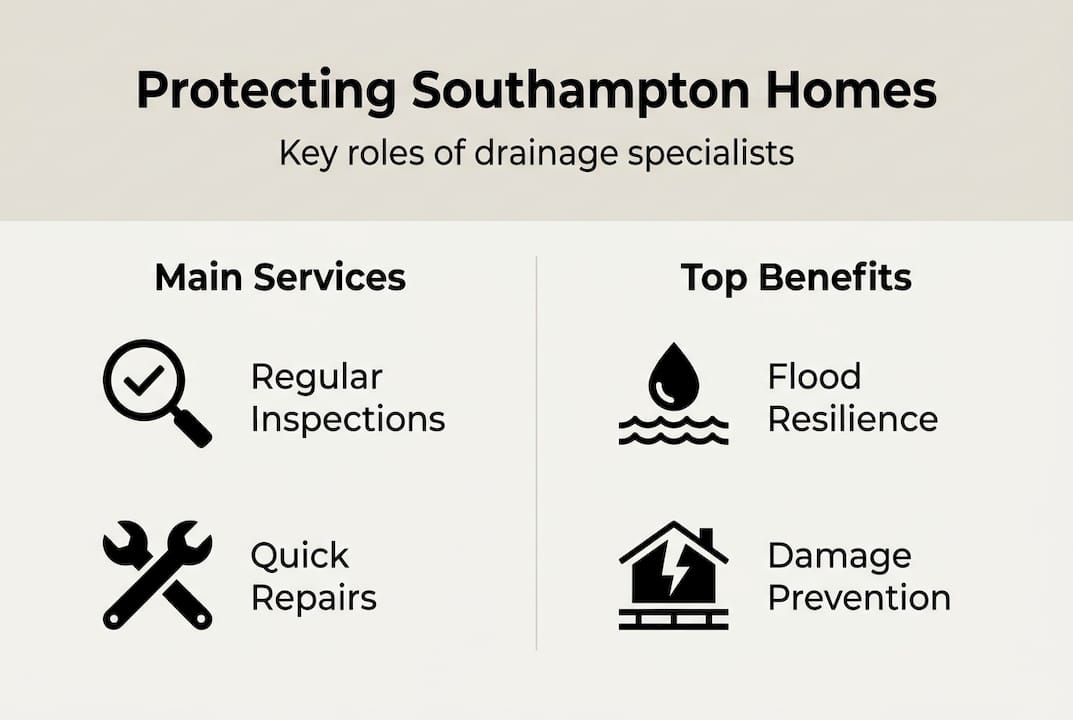
Urgent defect response times directly impact the extent of property damage. Systems managed to professional standards achieve rapid rectification rates, with the vast majority of critical issues resolved within one day. This speed prevents minor problems from escalating into major structural damage or health hazards.
Routine maintenance activities follow a systematic approach. High-pressure water jetting clears accumulated debris and minor blockages before they cause backups. CCTV surveys identify structural issues like cracks, root intrusion, or pipe misalignment that may not yet affect flow but will cause problems if left unaddressed. Gully cleaning removes sediment and organic matter that reduces drainage capacity over time.
| Maintenance Activity | Recommended Frequency | Primary Benefit | Typical Duration |
|---|---|---|---|
| Gully inspection and cleaning | Monthly to quarterly | Prevents surface water pooling | 30-45 minutes |
| CCTV drain survey | Annually or biennially | Identifies hidden structural issues | 1-2 hours |
| High-pressure jetting | Six-monthly to annually | Clears debris and minor blockages | 1-2 hours |
| Root removal treatment | As needed, typically annually | Prevents pipe damage from tree roots | 2-4 hours |
| Soakaway maintenance | Every 2-3 years | Maintains groundwater drainage capacity | 2-3 hours |
Pro Tip: Keep a simple drainage diary noting any slow-draining sinks, unusual smells, or gurgling sounds. These early warning signs help drainage experts diagnose problems faster during inspections, often catching issues before they require expensive repairs.
Understanding these benchmarks empowers homeowners to evaluate service quality and recognise when their drainage system meets professional standards. Regular maintenance following these protocols significantly extends system lifespan whilst reducing the likelihood of emergency situations. For comprehensive blocked drains solutions in Southampton, working with professionals who follow these evidence-based practices ensures your property receives appropriate care.
Common drainage challenges and expert solutions
Southampton homeowners face distinctive drainage challenges shaped by the city’s geography, climate, and infrastructure history. Understanding these common problems and how experts address them helps property managers make informed maintenance decisions.
Blockages represent the most frequent drainage issue. These occur from accumulated debris, cooking fats solidifying in pipes, or foreign objects entering the system. Tree roots seeking moisture infiltrate pipes through tiny cracks, gradually expanding until they obstruct flow completely. Southampton’s mature tree population, particularly in established residential areas, makes root intrusion a persistent challenge requiring specialist attention.
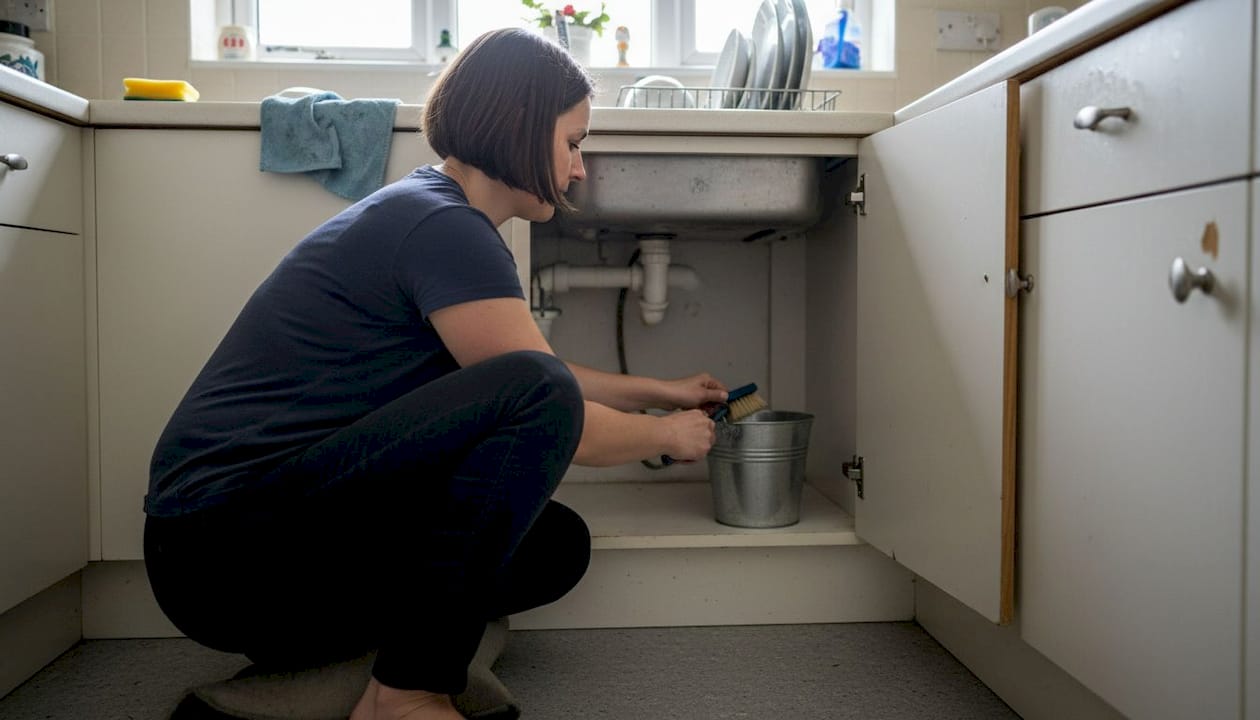
Structural pipe damage develops over time through ground movement, freeze-thaw cycles, or simply age-related deterioration. Many Southampton properties still use original Victorian clay pipes that become brittle and crack after decades of service. These failures often go unnoticed until a complete blockage or collapse occurs, making regular CCTV surveys valuable for early detection.
Poor gully maintenance creates surface water problems that seem unrelated to main drainage systems. When gullies fill with leaves, sediment, and debris, rainwater cannot enter the drainage network efficiently. This causes pooling in gardens, driveways, and near building foundations, potentially leading to damp problems or structural damage. Monthly gully checks prevent these accumulation issues.
Flood risk affects properties in low-lying areas or those near Southampton’s waterways. Inadequate drainage capacity during heavy rainfall events causes water to back up through toilets, sinks, or external drains. Whilst some flooding results from overwhelmed municipal systems beyond homeowner control, proper maintenance ensures domestic drainage performs optimally during challenging conditions.
Experts employ systematic diagnostic approaches:
- CCTV camera surveys provide visual confirmation of blockage locations, pipe condition, and root intrusion extent
- Dye testing traces flow patterns to identify hidden leaks or misdirected connections
- Pressure testing reveals pipe integrity and highlights weak points before failures occur
- Soakaway percolation tests determine whether groundwater drainage systems function adequately
Remediation follows a logical sequence:
- Initial assessment identifies the problem type, location, and severity through visual inspection or camera survey
- Immediate clearance uses high-pressure jetting or mechanical tools to restore flow and prevent further damage
- Structural repairs address underlying causes like cracked pipes, root intrusion points, or collapsed sections
- Preventative measures include root barriers, pipe relining, or soakaway improvements to reduce recurrence risk
- Follow-up monitoring ensures repairs remain effective and no secondary issues develop
Homeowners should watch for warning signs including slow-draining fixtures, gurgling sounds from pipes, foul odours near drains, or damp patches in gardens. Addressing these symptoms early prevents escalation into emergencies requiring costly urgent repairs.
Pro Tip: The most overlooked warning sign is multiple slow-draining fixtures simultaneously. When several sinks, showers, or toilets drain sluggishly at once, the blockage sits in your main drain rather than individual fixture traps. This requires professional attention before it develops into a complete backup.
For immediate assistance with drainage problems, blocked drains specialists offer rapid diagnosis and effective solutions tailored to Southampton’s specific infrastructure challenges.
Practical steps for homeowners and property managers to engage local experts
Effectively working with drainage professionals maximises system longevity whilst minimising emergency situations and repair costs. These practical steps help Southampton homeowners and property managers maintain healthy drainage through strategic expert engagement.
Scheduling regular maintenance creates a foundation for drainage health. Rather than waiting for problems to emerge, proactive homeowners arrange annual or biannual inspections that catch issues early. Book these appointments during spring or early summer when drainage systems face less immediate stress, allowing time for any necessary repairs before autumn’s heavy rainfall season.
Establishing a relationship with a local drainage company provides continuity of care. When the same professionals inspect your system regularly, they develop familiarity with your property’s specific characteristics, previous issues, and potential vulnerabilities. This knowledge enables faster diagnosis and more targeted solutions when problems do arise.
Emergency response requires immediate action. When you notice sewage backup, complete drainage failure, or water pooling near your foundation, contact drainage experts straight away. The 94.7% urgent defect rectification rate within 24 hours demonstrates that prompt professional intervention prevents minor issues from causing major property damage.
Follow this sequence when addressing drainage emergencies:
- Stop using all water fixtures immediately to prevent additional sewage backup or overflow
- Contact your drainage specialist, providing clear details about symptoms, location, and when the problem started
- If safe, photograph visible issues to help experts prepare appropriate equipment before arrival
- Clear access to external drains, manholes, and inspection points to enable faster diagnosis
- Follow any immediate advice provided whilst awaiting professional arrival
Understanding responsibility boundaries helps homeowners know when to call experts versus handle tasks themselves:
- Homeowner responsibilities: keeping gully gratings clear of leaves and debris, avoiding pouring fats down sinks, reporting problems promptly, providing access for inspections
- Expert responsibilities: conducting CCTV surveys, performing high-pressure jetting, repairing or replacing damaged pipes, installing drainage improvements, advising on system capacity
Documentation supports effective maintenance. Keep records of inspection reports, repairs completed, and any recurring issues. This history helps drainage experts identify patterns and recommend appropriate long-term solutions rather than repeatedly addressing symptoms.
Pro Tip: When selecting a drainage specialist, ask about their experience with Southampton’s specific infrastructure challenges, including Victorian-era pipe systems, local soil conditions, and flood-risk areas. Local knowledge significantly improves diagnosis accuracy and solution effectiveness compared to generic approaches.
Cost considerations should balance immediate expenses against long-term value. Regular maintenance costs far less than emergency repairs, and early intervention for minor issues prevents expensive full pipe replacements. Many drainage companies offer maintenance contracts that spread costs predictably whilst ensuring consistent care.
For fast drainage solutions in Southampton, working with established local professionals ensures your property receives appropriate attention based on area-specific knowledge and proven maintenance protocols.
How Blocked Drains Southampton can help you
When drainage issues threaten your Southampton property, having a trusted local expert makes all the difference between quick resolution and prolonged disruption. Blocked Drains Southampton combines deep local knowledge with modern diagnostic technology to protect homes and businesses across the city.
Our team understands Southampton’s unique drainage challenges, from historic pipe networks in older neighbourhoods to flood-prone areas near the waterfront. This local expertise enables accurate diagnosis and effective solutions tailored to your property’s specific circumstances. We offer comprehensive services including emergency blockage clearing, CCTV drain surveys, pipe repairs and relining, root removal, and preventative maintenance programmes designed to keep your drainage system functioning optimally year-round. Whether you face a sudden emergency or want to establish proactive maintenance, our rapid response and thorough approach prevent minor issues from escalating into costly damage. Contact Blocked Drains Southampton at the first sign of drainage problems to benefit from professional service that protects your property investment and provides peace of mind.
Frequently asked questions
What services do local drainage experts provide?
Local drainage experts offer comprehensive services including emergency blockage clearing, CCTV drain surveys, high-pressure jetting, pipe repairs and relining, root removal, soakaway installation and maintenance, and preventative inspection programmes. They diagnose problems using modern technology and provide solutions tailored to each property’s specific drainage challenges.
How often should I schedule drainage maintenance?
Residential properties benefit from annual or biannual comprehensive inspections, with gully checks every one to three months depending on debris exposure. Properties with mature trees or previous drainage issues may require more frequent attention. Regular maintenance prevents emergencies and extends system lifespan significantly.
What drainage tasks can homeowners handle versus requiring experts?
Homeowners should keep gully gratings clear, avoid pouring fats down drains, and report problems promptly. However, CCTV surveys, high-pressure jetting, pipe repairs, root removal, and structural assessments require professional equipment and expertise. Attempting complex repairs without proper training often worsens problems and increases costs.
How do I identify trustworthy drainage specialists in Southampton?
Look for established local companies with specific Southampton experience, proper insurance and qualifications, transparent pricing, and positive customer reviews. Ask about their familiarity with local infrastructure challenges like Victorian-era pipes and area flood risks. Trustworthy specialists provide clear explanations, detailed reports, and evidence-based recommendations rather than pushing unnecessary services.
What emergency response time should I expect from drainage experts?
Professional drainage services typically respond to emergencies within hours, with most urgent defects resolved within 24 hours. Response times vary based on problem severity, time of day, and current demand. Established local companies prioritise emergency situations that risk property damage or health hazards, ensuring rapid intervention when you need it most.