When a blocked drain strikes your Southampton home or business, the immediate disruption can halt daily routines and threaten property damage. You need a clear action plan to respond quickly and effectively, whether you tackle the issue yourself or call in professional help. This guide walks you through the essential preparation, systematic clearing steps, and verification methods to restore drainage safely. Understanding the emergency drain clearing process empowers you to minimise damage, reduce downtime, and make informed decisions about when professional intervention becomes necessary.
Table of Contents
- Key takeaways
- Preparing for emergency drain clearing
- Step-by-step emergency drain clearing process
- Verifying clearing success and preventing future blockages
- Professional emergency drain clearing services in Southampton
- Frequently asked questions
Key Takeaways
| Point | Details |
|---|---|
| Preparation and safety first | Assemble the right tools and wear protective gear before attempting any drainage clearing. |
| Systematic clearance steps | Follow the step by step process from locating the blockage to implementing safe clearing methods. |
| Verify blockage clearance | Confirm the blockage is cleared by testing drainage on all affected outlets. |
| Know when to call professionals | Be ready to contact qualified drainage specialists promptly for severe or persistent blockages. |
Preparing for emergency drain clearing
Proper preparation transforms a chaotic drainage emergency into a manageable problem you can address systematically. Before you attempt any clearing work, understanding what causes blockages helps you choose the right approach. Common culprits include accumulated grease, hair, soap residue, food waste, tree roots, and foreign objects that restrict water flow.
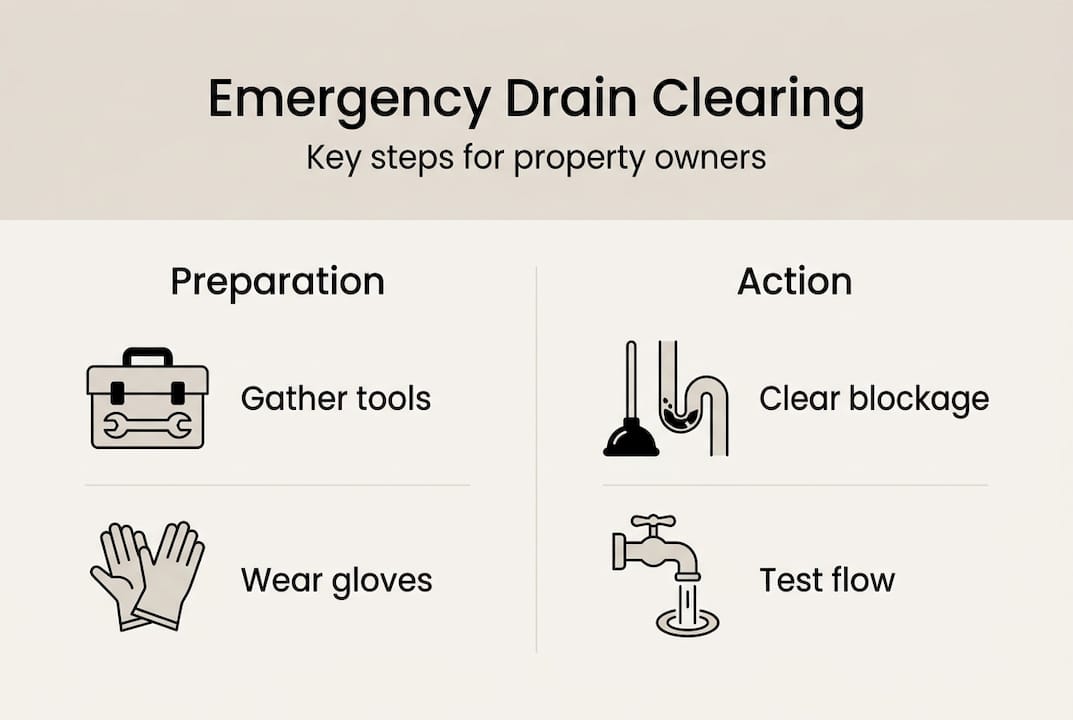
Gathering the correct tools before starting saves time and prevents multiple trips to hardware shops during an emergency. Essential equipment includes heavy-duty rubber gloves to protect against contaminated water, drain rods for mechanical clearing, a quality plunger for initial attempts, safety goggles to shield your eyes from splashes, a bucket for collecting debris, and old towels to manage spills. You might also need a torch to inspect dark drain openings and a garden hose for flushing cleared drains.
Safety precautions cannot be overlooked when dealing with blocked drains. Contaminated water carries bacteria and pathogens that pose health risks, so always wear protective gloves and goggles. Ensure adequate ventilation when working with drain chemicals, though mechanical methods are generally safer and more effective. Never mix different chemical drain cleaners, as this creates dangerous reactions. If you encounter sewage backup, treat it as a serious health hazard requiring professional attention.
Pro Tip: Keep a dedicated emergency drain kit stored in an accessible location with all necessary tools ready to grab. This preparation cuts response time dramatically when blockages occur unexpectedly.
Having proper equipment and safety gear improves the effectiveness and safety of emergency drain clearing. If possible, locate your property’s plumbing plans to understand drain routes and access points. This knowledge proves invaluable when determining where blockages might occur and which drains connect to which systems. For commercial properties, maintaining updated drainage diagrams helps staff respond quickly during emergencies.
Prepare mentally for the possibility that your initial clearing attempts might not succeed. Knowing when to stop and call professionals prevents causing additional damage through excessive force or inappropriate tools. Keep contact details for reliable drainage specialists readily available so you can escalate quickly if needed. Some blockages require specialist equipment like high-pressure water jets or CCTV inspection cameras that homeowners simply don’t possess.
Before you start clearing, it’s crucial to gather supplies and take safety precautions to protect yourself and your property. Next, we’ll cover the step-by-step process for effective drain clearing.
Step-by-step emergency drain clearing process
Once you’re equipped and protected, follow this systematic approach to tackle the blockage safely and effectively. Each step builds on the previous one, moving from simple solutions to more intensive interventions.
-
Locate and assess the blockage: Start by identifying which drain is blocked and observe the symptoms. Slow drainage suggests a partial blockage, while complete stoppage indicates a full obstruction. Check multiple fixtures to determine if the problem affects a single drain or multiple outlets, which helps pinpoint whether the blockage sits in a branch pipe or the main drain.
-
Attempt plunger clearing: For sinks, baths, and toilets, a plunger often provides the quickest solution for simple blockages. Create a tight seal around the drain opening and use firm, rhythmic plunging motions to generate pressure that dislodges the obstruction. Maintain the seal throughout and plunge vigorously for 30 to 60 seconds before checking results.
-
Deploy drain rods carefully: If plunging fails, drain rods offer mechanical clearing power for accessible outdoor drains and inspection chambers. Screw rod sections together firmly, ensuring connections are tight to prevent them separating inside the drain. Insert the rods gently, rotating clockwise only to avoid unscrewing joints. Work the rods back and forth to break up the blockage, adding more sections as needed to reach deeper obstructions.
-
Flush with hot water: After mechanical clearing, flush the drain thoroughly with hot water to wash away loosened debris and verify flow restoration. For kitchen sinks, boiling water helps dissolve grease deposits, though avoid this method for toilets or PVC pipes that might crack under extreme heat. Run water for several minutes to ensure the blockage has fully cleared.
-
Stop if resistance persists: If you encounter solid resistance that won’t shift despite reasonable effort, stop immediately to avoid damaging pipes. Excessive force can crack clay pipes, dislodge joints, or push blockages deeper into the system. Recognising when to cease your attempts and contact professionals prevents turning a manageable problem into an expensive repair job.
Pro Tip: Always rotate drain rods clockwise when working them through pipes. Anticlockwise rotation can unscrew the rod connections, leaving sections trapped inside your drainage system.
Homeowners can use systematic steps and safe tools to clear minor blockages before professional help is needed. This structured approach maximises your chances of success whilst minimising risks to your plumbing infrastructure.
“Emergency drainage situations demand calm, methodical responses rather than panicked force. Understanding the proper sequence of clearing techniques prevents property damage and resolves most common blockages effectively.”
If your initial attempts don’t restore normal drainage, don’t persist indefinitely. Some blockages result from collapsed pipes, severe root intrusion, or compacted material that requires professional equipment to remove. Calling emergency drain clearing services at this point saves time and prevents potential damage from continued amateur attempts.
Now that you are prepared and equipped, follow these steps carefully to clear the blockage. After that, we’ll discuss how to verify success and what to do if problems persist.
Verifying clearing success and preventing future blockages
Clearing a blockage represents only half the job. Thorough verification ensures the problem is genuinely resolved and won’t return hours later, whilst preventive measures reduce the likelihood of future emergencies.
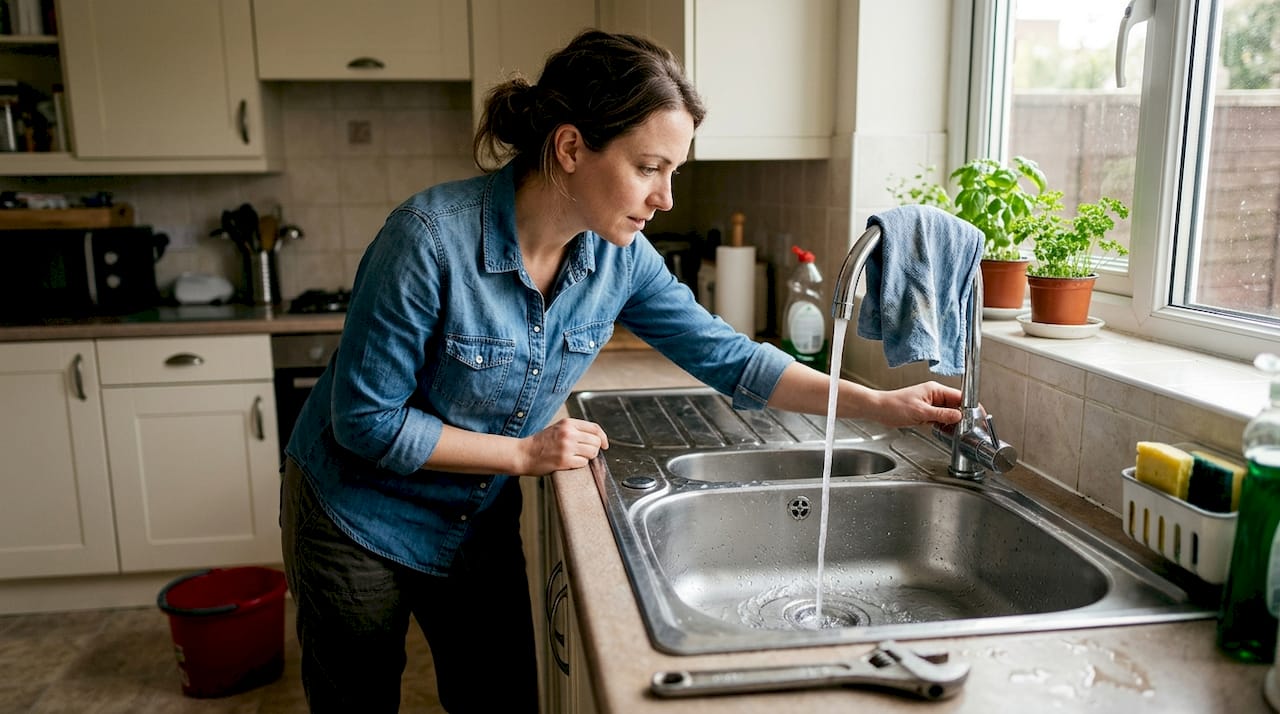
Test drain function by running substantial volumes of water through the cleared system. For sinks and basins, fill them completely then release the water whilst observing drainage speed. Properly cleared drains should empty rapidly without gurgling sounds or slow swirling. For toilets, flush multiple times in succession to confirm the system handles normal volumes without backing up. Check downstream drains and inspection chambers to verify water flows through without pooling.
Notice any lingering bad odours that might indicate partial blockage or organic matter trapped in pipe bends. Foul smells often signal that whilst water now flows, debris remains that will gradually accumulate and cause recurring problems. If unpleasant odours persist after clearing, consider using enzyme-based drain cleaners that break down organic material without harsh chemicals, or arrange professional drain cleaning to thoroughly flush the system.
Avoid common verification errors that create false confidence:
- Assuming slow drainage means partial success rather than recognising it as incomplete clearing
- Testing with small water volumes that don’t replicate real usage conditions
- Ignoring warning signs like gurgling or bubbling that indicate air trapped by remaining blockages
- Failing to check all connected fixtures that might reveal problems elsewhere in the system
- Accepting temporary improvement without verifying sustained function over several hours
Pro Tip: After clearing a blockage, monitor the drain’s performance for 24 hours before considering the job complete. Some obstructions partially reform as debris settles back into place.
Verification and proactive maintenance help avoid repeat drain blockages and costly emergency calls. Establishing a maintenance routine protects your drainage system and reduces emergency situations significantly.
| Prevention Strategy | Implementation Frequency | Benefit |
|---|---|---|
| Hot water flushing | Weekly | Dissolves grease and soap buildup |
| Sink trap cleaning | Monthly | Removes accumulated debris before blockages form |
| Drain guard installation | Permanent | Catches hair and food particles |
| Professional inspection | Annually | Identifies developing problems early |
| Root treatment | As needed | Prevents tree root intrusion |
Keep a maintenance checklist that includes regular cleaning of drain traps, avoiding pouring grease or cooking oil down sinks, using drain guards to catch hair and food particles, and running hot water after each sink use to flush away residues. For commercial properties, establish scheduled professional drain cleaning to handle the higher volumes of waste that business operations generate.
Know when professional drain inspection becomes necessary to prevent emergencies. If you experience recurring blockages in the same location, notice multiple drains backing up simultaneously, detect sewage smells around your property, or observe unusually slow drainage across several fixtures, these symptoms suggest underlying problems that require expert diagnosis. CCTV drain surveys identify structural issues, root intrusion, or pipe damage that routine clearing cannot address. Investing in professional drainage solutions prevents minor issues escalating into major emergencies.
Having cleared the drain and checked its function, adopting preventive measures will help minimise future emergencies. To explore expert solutions and assistance available, read on.
Professional emergency drain clearing services in Southampton
Whilst understanding emergency drain clearing empowers you to handle simple blockages, some situations demand professional intervention to protect your property and restore drainage safely. Professional drain clearing services offer rapid response times, often arriving within hours of urgent calls in Southampton. This speed proves crucial when blockages threaten property damage or disrupt business operations.
Experts bring specialised equipment that homeowners cannot access, including high-pressure water jetting systems that blast through stubborn blockages, industrial-grade drain snakes for deep obstructions, and CCTV inspection cameras that diagnose problems accurately. These tools resolve blockages that resist amateur attempts whilst minimising risks of pipe damage. Professional technicians understand Southampton’s unique drainage challenges, from historic pipe systems to local soil conditions, enabling them to work efficiently and effectively.
Hiring professionals reduces the risk of property damage and prolonged downtime that DIY attempts sometimes cause. When you encounter severe blockages, sewage backup, or structural drainage problems, contacting trusted local services ensures timely help from experienced technicians. They provide not just immediate clearing but also preventive advice and maintenance plans tailored to your property’s specific needs.
Combining your own knowledge with expert support delivers the best results. Handle minor blockages confidently with the techniques you’ve learned, but recognise when professional expertise becomes necessary. This balanced approach protects your property, saves money on emergency repairs, and maintains drainage systems that function reliably. Whether you need urgent assistance or preventive maintenance, professional drainage specialists in Southampton stand ready to support your property’s drainage needs.
Even with the best preparation and steps, some situations demand skilled professional intervention to safeguard your property and restore drainage promptly. Let’s address common questions readers have about this process.
Frequently asked questions
How fast can emergency drain services respond?
Emergency drain services in Southampton typically respond within two to four hours of urgent calls, depending on time of day and current demand. Many providers offer 24-hour availability for genuine emergencies involving sewage backup or complete drainage failure. Response times may be faster during standard business hours, whilst evening and weekend calls might take slightly longer but still receive same-day attention for urgent situations.
Can I safely clear a blocked drain myself?
You can safely clear simple blockages using proper tools, protective equipment, and systematic techniques as outlined in this guide. Minor obstructions caused by hair, soap, or food waste often respond to plunging or careful drain rod use. However, persistent blockages, sewage backup, multiple blocked drains, or situations requiring excessive force indicate problems needing professional expertise. Attempting to force stubborn blockages risks damaging pipes and creating more expensive repairs.
What steps prevent drain blockages in the future?
Preventing blockages requires consistent habits and routine maintenance rather than one-time efforts. Never pour cooking grease, oil, or fat down kitchen sinks, as these solidify and accumulate in pipes. Install drain guards to catch hair and food particles before they enter the system. Flush drains weekly with hot water to dissolve soap and grease buildup. Clean sink traps monthly to remove accumulated debris. For commercial properties, schedule professional drain cleaning annually to handle higher waste volumes and identify developing problems before they cause emergencies.
What causes drains to block repeatedly in the same location?
Recurring blockages in the same drain usually indicate underlying structural problems rather than simple debris accumulation. Common causes include pipe damage creating rough internal surfaces that snag waste, incorrect pipe gradients preventing proper flow, tree roots penetrating joints and catching debris, or partially collapsed sections restricting water passage. If you experience repeated blockages despite proper maintenance, arrange a CCTV drain survey to diagnose the root cause. Addressing structural issues prevents endless clearing cycles and potential property damage.
When should I call professionals instead of attempting clearing myself?
Call professionals immediately if you encounter sewage backing up into your property, multiple drains blocking simultaneously, foul sewage smells around your building, or blockages that resist reasonable clearing attempts. Also seek expert help for outdoor drain blockages in deep or inaccessible locations, situations where you lack proper safety equipment, or when you’re uncertain about your drainage system layout. Professional intervention prevents property damage, health hazards, and the frustration of unsuccessful DIY attempts that waste time during genuine emergencies.