Tree roots infiltrating your drains can transform a minor inconvenience into a costly nightmare. In Southampton, where mature trees and historic drainage systems often coexist, root intrusion ranks amongst the most persistent plumbing challenges homeowners face. When roots penetrate pipes seeking moisture and nutrients, they create stubborn blockages that slow drainage, cause unpleasant odours, and potentially damage your entire drainage infrastructure. This comprehensive guide equips you with practical knowledge to identify root problems early, remove them safely using proven techniques, and implement preventative measures that protect your drains for years to come.
Table of Contents
- Key takeaways
- Identifying root intrusion in your drains
- Preparing to remove roots from drains safely
- Step-by-step guide to removing drain roots
- Preventing future root intrusion and maintaining your drains
- Expert drain root removal and maintenance services in Southampton
- Frequently asked questions about removing drain roots
Key Takeaways
| Point | Details |
|---|---|
| Early signs of intrusion | Recognising slow drainage across multiple fixtures and recurring blockages signals root intrusion early, allowing preventive action. |
| Tools and safety measures | Use appropriate equipment such as drain rods and protective gear to remove roots safely and minimise damage to the pipework. |
| Professional intervention needed | Seek professional assistance for severe blockages or damaged pipes that require specialised equipment or repair. |
| Maintenance and root barriers | Implement regular maintenance and install root barriers to deter future intrusion and protect drainage systems. |
Identifying root intrusion in your drains
Recognising the warning signs of tree root invasion early gives you a significant advantage in preventing extensive damage to your drainage system. The most common symptom homeowners notice is persistently slow drainage across multiple fixtures, particularly sinks, baths, and toilets. Unlike isolated blockages caused by debris, root intrusion typically affects several drains simultaneously because roots spread throughout the pipe network.
You might also experience recurring blockages that temporarily clear but return within days or weeks. This pattern suggests roots are growing back after partial removal or that fragments remain lodged in the pipes. Foul smells emanating from drains often accompany root problems because organic matter accumulates around the intrusion points, decomposing and releasing unpleasant odours. Outside your property, watch for unusually lush or wet patches of lawn near drain runs, which indicate leaking pipes where roots have created cracks.
Visual inspection provides valuable clues about potential root invasion. Lift accessible drain covers and look for visible root tendrils extending into the chamber. Check the locations of mature trees relative to your drainage system, paying particular attention to species with aggressive root systems like willows, poplars, and oak trees. These varieties actively seek water sources and can travel considerable distances underground.
For definitive confirmation, home CCTV drain surveys offer the most reliable detection method. Specialist cameras navigate your pipes, revealing exactly where roots have penetrated and the extent of damage they’ve caused. Tree roots can break into drains causing blockages and damage making early identification crucial, particularly in Southampton where Victorian-era clay pipes remain common in many neighbourhoods. These older pipes are especially vulnerable to root penetration through joints and hairline cracks.
Pro Tip: Use a drain camera inspection at the first sign of problems to pinpoint root intrusion precisely, saving time and money by targeting removal efforts exactly where needed rather than guessing locations.
Modern inspection technology has transformed root detection. Small waterproof cameras attached to flexible cables can navigate bends and junctions, transmitting real-time footage to monitors above ground. This allows you to see root thickness, growth patterns, and associated pipe damage before deciding on removal strategies. Professional drain repair services typically include this diagnostic step as standard practice.
Preparing to remove roots from drains safely
Successful root removal begins with thorough preparation and assembling the right equipment for the task ahead. Safety and proper preparation are essential to prevent damage and injury during root removal in domestic drains, protecting both yourself and your drainage infrastructure from unnecessary harm.
Essential tools for manual root removal include drain rods with various attachments, particularly corkscrew and plunger heads designed to break up blockages. A sturdy pair of rubber gloves extending past your wrists protects against contaminated water and sharp root fragments. Safety goggles shield your eyes from splashback when working with pressurised systems or chemical treatments. Wear old clothing you don’t mind discarding afterwards, as drain work inevitably involves contact with unpleasant substances.
| Tool/Equipment | Purpose | Safety consideration |
|---|---|---|
| Drain rods with attachments | Manual root breaking and removal | Ensure secure connections to prevent rod loss |
| High-pressure water jetter | Deep cleaning and root flushing | Requires training to avoid pipe damage |
| Chemical root killer | Dissolving organic material | Use only in well-ventilated areas with protection |
| CCTV drain camera | Inspection and verification | Handle carefully to prevent cable damage |
| Protective clothing | Personal safety | Dispose of contaminated items properly |
High-pressure water jetters provide powerful root removal capability but demand careful handling. These machines propel water at pressures exceeding 3,000 PSI, sufficient to cut through roots but also capable of damaging weakened pipes. If you choose this route, start with lower pressure settings and gradually increase only as needed. Never point the nozzle at yourself or others, and ensure stable footing when operating the equipment.
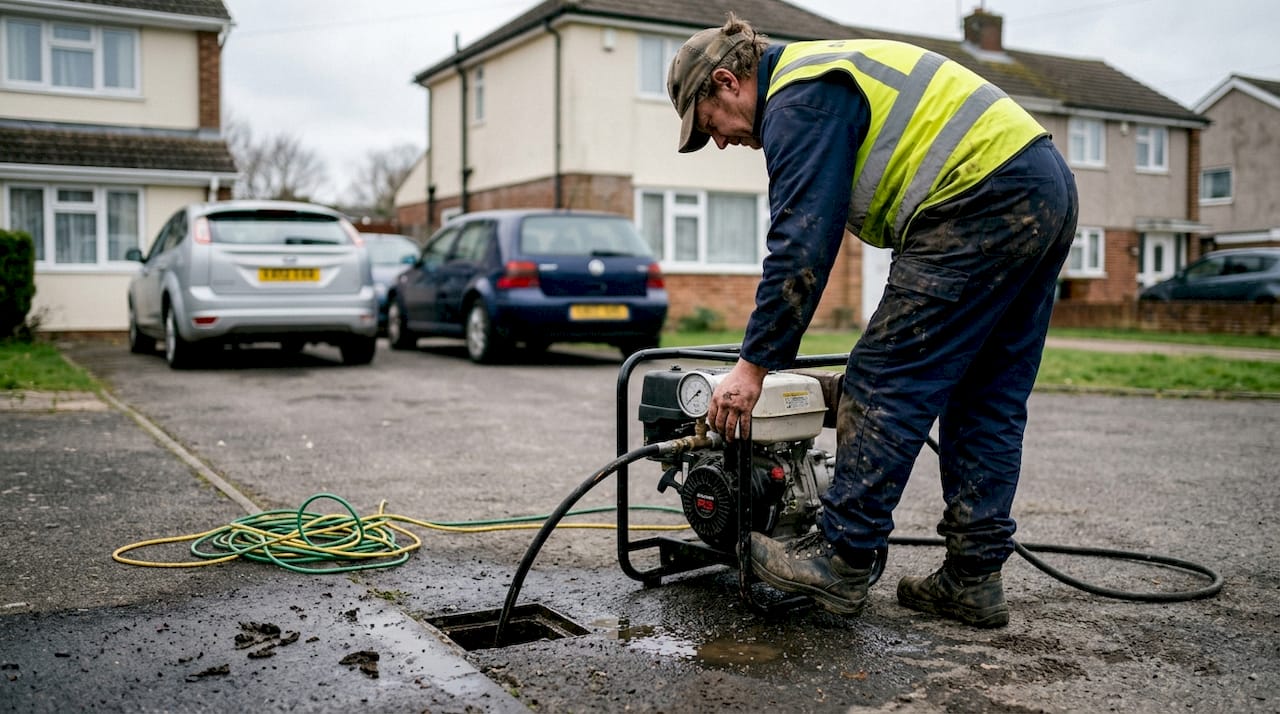
Chemical root treatments offer an alternative approach but require careful product selection. Choose formulations specifically designed for drain systems rather than general herbicides, which can damage pipes and contaminate groundwater. Read manufacturer instructions thoroughly, noting recommended dosages, contact times, and safety precautions. Some chemicals produce harmful fumes, making adequate ventilation absolutely essential during application.
Recognising when to call professional root removal services prevents costly mistakes. If you discover extensive root networks, structural pipe damage, or blockages beyond your reach, expert intervention becomes necessary. Professionals possess specialised equipment like robotic cutters and hydro-excavation tools that safely remove roots without compromising pipe integrity. They also carry liability insurance protecting you from financial responsibility if something goes wrong during the removal process.
Pro Tip: Regular maintenance tools reduce the risk of aggressive root growth inside pipes by catching problems whilst they remain manageable rather than waiting until roots establish thick, woody networks.
Before starting any removal work, locate your main stopcock and ensure you can quickly shut off water supply if needed. Inform household members about the work so they avoid using drains during the process. Clear the area around access points, removing obstacles that might impede movement or create tripping hazards. Having a bucket, mop, and absorbent materials nearby helps manage spills and keeps your workspace safer.
Step-by-step guide to removing drain roots
With preparation complete, you’re ready to tackle root removal using proven methods that balance effectiveness with safety. Mechanical removal combined with root inhibitors offers the best solution for clearing root blockages effectively, providing both immediate relief and longer-term protection against regrowth.
-
Clear accessible blockages using manual rods or augers with care. Begin at the nearest access point to the suspected blockage, typically an inspection chamber or removable drain cover. Attach a corkscrew head to your drain rods and carefully feed them into the pipe, rotating clockwise as you advance. When you encounter resistance, apply steady pressure whilst continuing rotation to break through root masses. Avoid excessive force, which can damage pipe walls or create new cracks for roots to exploit. Withdraw the rods periodically to remove accumulated debris, disposing of root fragments in garden waste rather than flushing them back into the system.
-
Employ high-pressure water jetting for deep root removal if available. After mechanical clearance creates an initial opening, water jetting flushes remaining root fragments and clears residual blockages. Insert the jetter nozzle through the same access point, allowing the backwards-facing jets to pull the hose through the pipe whilst scouring walls clean. Multiple passes may be necessary for heavily infested sections. The pressurised water cuts through smaller roots and washes debris towards the main sewer connection. Monitor water flow during jetting to confirm improvement, watching for increased drainage speed as blockages clear.
-
Apply chemical root killers as a follow-up treatment. Once mechanical and hydraulic methods have removed the bulk of root material, chemical treatments prevent rapid regrowth. Pour the recommended quantity of root killer into the affected drain, typically through a toilet or inspection chamber. These products contain copper sulphate or foaming herbicides that coat pipe walls, creating a barrier against new root development. Allow the chemical to sit for the manufacturer’s specified contact time, usually 8 to 12 hours, during which you should avoid using the treated drains. Chemical treatments work best as preventative maintenance rather than primary removal methods.
-
Flush the system thoroughly to remove debris. After chemical treatment time expires, run large volumes of water through all affected drains to wash away dead root material and residual chemicals. This flushing process also tests drainage speed, confirming whether the blockage has cleared successfully. Start with cold water to avoid activating any remaining chemical residues, gradually increasing flow to maximum capacity. Listen for gurgling sounds that might indicate partial blockages remain, and watch for slow drainage suggesting incomplete clearance.
-
Inspect with a drain camera to confirm clearance. Final verification using CCTV inspection ensures roots have been completely removed and reveals any pipe damage requiring repair. Feed the camera through the entire affected section, recording footage for future reference. Look for clean pipe walls, proper water flow, and absence of root tendrils. If inspection reveals remaining roots or structural damage, you’ll need to repeat removal steps or engage professional root removal methods for more aggressive intervention.
| Method | Advantages | Disadvantages | Best suited for |
|---|---|---|---|
| Manual rods | Inexpensive, immediate control, no chemicals | Labour intensive, limited reach, incomplete removal | Small blockages, accessible locations |
| Chemical treatment | Easy application, prevents regrowth, reaches entire system | Slow acting, environmental concerns, ineffective on large roots | Prevention, light infestations |
| Professional service | Complete removal, pipe inspection included, guaranteed results | Higher cost, requires scheduling | Severe blockages, damaged pipes, recurring problems |
The comparison reveals that combining methods often yields superior results compared to relying on a single approach. Mechanical removal provides immediate relief, chemicals prevent regrowth, and professional verification ensures long-term success.
Preventing future root intrusion and maintaining your drains
Having cleared existing root problems, implementing preventative strategies protects your investment and avoids recurring blockages. Regular maintenance and installation of root barriers greatly reduce future root-related drain issues, particularly in Southampton where mature trees and ageing drainage infrastructure create ongoing challenges.
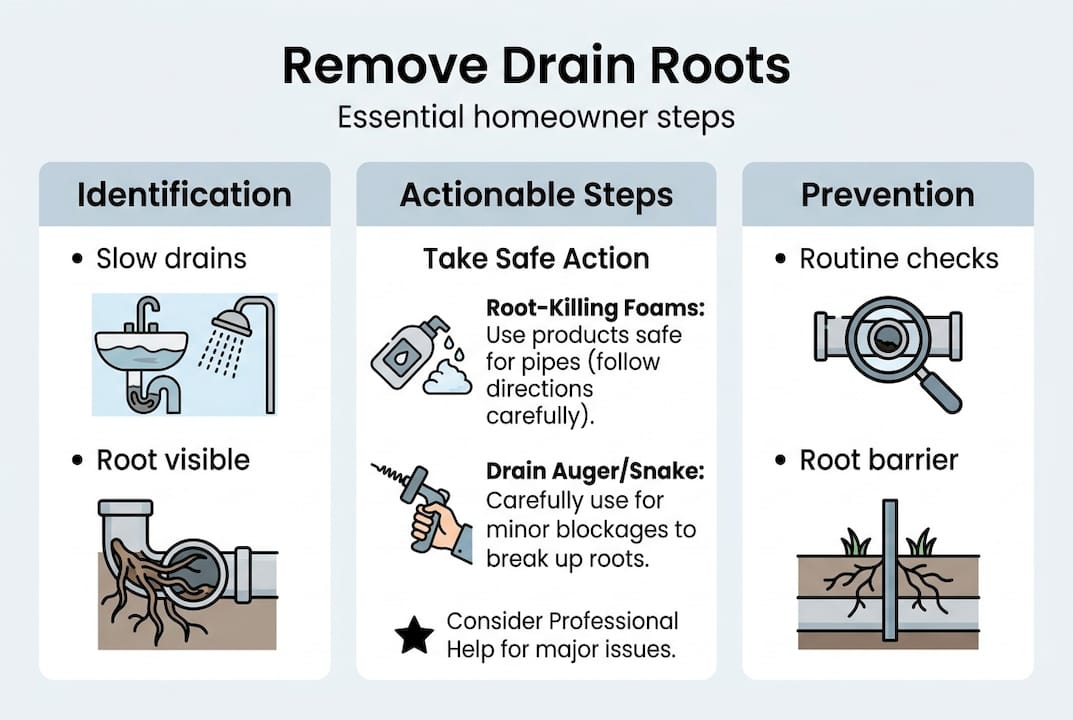
Routine inspection schedules form the foundation of effective drain maintenance. Schedule annual CCTV surveys during autumn when root growth slows, allowing early detection of new intrusions before they develop into serious blockages. These inspections cost considerably less than emergency callouts and major repairs. Between professional surveys, perform monthly visual checks of accessible chambers, looking for root tendrils or unusual debris accumulation. Flush drains regularly with hot water and enzymatic cleaners that break down organic material without damaging pipes.
Root barriers provide physical protection against invasion by creating impenetrable shields around vulnerable pipes. These vertical panels install alongside drain runs, extending below pipe depth to deflect roots downwards rather than allowing lateral growth into joints and cracks. Modern barriers use high-density polyethylene or metal sheets that resist root penetration whilst remaining flexible enough to install around existing systems. For new construction or major renovations, incorporating barriers during installation costs far less than retrofitting them later.
Pipe relining offers another preventative solution by creating a seamless interior surface that eliminates joints where roots typically enter. This process involves inserting a resin-impregnated liner into existing pipes, then inflating and curing it to form a solid, root-resistant tube within the original pipe. Relining extends pipe life by decades whilst simultaneously preventing future root problems. Though initially expensive, it eliminates repeated blockage costs and avoids disruptive excavation.
Strategic landscaping decisions significantly impact long-term drain health. Avoid planting trees with aggressive root systems within 3 metres of drain runs, particularly willows, poplars, and large oak varieties. Choose shallow-rooted species for areas near drainage infrastructure, and maintain existing trees through regular pruning that controls root spread. When purchasing property, research tree locations relative to drains before committing, as established root problems can prove expensive to resolve.
Pro Tip: Schedule annual professional inspections to catch issues before blockages form, typically saving 60% to 70% compared to emergency repair costs whilst avoiding the inconvenience of sudden drainage failures.
Implement a maintenance calendar tracking inspection dates, chemical treatment applications, and any symptoms noticed between scheduled services. This documentation helps identify patterns, such as seasonal variations in drainage performance or progressive deterioration indicating underlying problems. Share these records with drain maintenance and prevention professionals during inspections, giving them valuable context for interpreting current conditions.
Consider installing access points at strategic locations if your current system has limited inspection chambers. Additional access simplifies future maintenance, reduces costs by eliminating excavation needs, and allows targeted treatment of problem areas. Modern access covers sit flush with lawns or paving, maintaining aesthetic appeal whilst providing essential functionality.
Expert drain root removal and maintenance services in Southampton
Whilst DIY methods handle many root problems effectively, some situations demand professional expertise and specialised equipment that guarantee complete resolution. Southampton’s unique drainage challenges, from Victorian clay pipes to mature tree coverage throughout residential areas, often create complex root intrusion scenarios beyond typical homeowner capabilities.
Professional services bring advanced technology including robotic cutters that precisely remove roots without damaging surrounding pipe material, high-capacity jetters generating pressures up to 4,000 PSI for stubborn blockages, and acoustic detection equipment that locates problems without excavation. Qualified technicians understand Southampton’s specific infrastructure quirks, from the clay soil composition affecting root growth patterns to common pipe materials used across different construction eras. This local knowledge accelerates diagnosis and ensures appropriate treatment selection.
When root problems recur despite your best efforts, when inspection reveals structural damage requiring repair, or when blockages affect multiple properties suggesting main sewer involvement, professional drain services become essential. Expert intervention often proves more economical than repeated DIY attempts, particularly when factoring in your time, equipment rental costs, and the risk of inadvertent damage during amateur removal efforts. Many Southampton providers offer emergency response for urgent situations alongside scheduled maintenance programmes that prevent problems before they disrupt your household.
Residents in areas like Peartree and Sholing benefit from localised services familiar with neighbourhood-specific drainage patterns and common root species affecting their communities. Professional teams provide comprehensive solutions from initial inspection through complete removal and preventative measures, backed by guarantees protecting your investment.
Frequently asked questions about removing drain roots
How often should I inspect drains for root intrusion?
Annual inspections provide optimal protection against serious root problems, ideally scheduled during autumn when growth slows. Properties with mature trees nearby or previous root issues benefit from six-monthly checks. Between professional surveys, perform monthly visual inspections of accessible chambers to catch developing problems early.
Is chemical treatment safe for all drain types?
Most modern root killers work safely in PVC, clay, and cast iron pipes when used according to manufacturer instructions. However, very old or damaged pipes may be vulnerable to chemical degradation. Always verify product compatibility with your specific pipe material, and avoid treatments in septic systems unless explicitly approved for that use.
Can regular pruning of nearby trees prevent root problems?
Pruning above-ground branches does not control underground root growth, as roots develop independently seeking water and nutrients. However, removing trees or installing root barriers around existing specimens effectively prevents drain intrusion. Focus prevention efforts on underground barriers rather than canopy management.
What signs indicate it’s time to call a professional?
Contact professionals when you experience recurring blockages despite treatment, discover structural pipe damage during inspection, encounter roots too thick for manual removal, or notice multiple drains affected simultaneously. Sewage backups, foul odours persisting after cleaning, and visible ground subsidence near drain runs also warrant immediate expert assessment.
Are there affordable ways to maintain root-free drains?
Regular flushing with hot water and enzymatic cleaners costs pennies per treatment whilst preventing organic buildup that attracts roots. Annual chemical root killer applications provide inexpensive protection compared to emergency repairs. Combining these simple practices with biennial professional inspections creates comprehensive protection at reasonable cost, typically saving thousands compared to major repair expenses.